
Regular exercise isn’t just a tool for physical fitness—it’s a powerful way to improve mental well-being. Whether you’re taking a brisk walk, practicing yoga, or hitting the gym, exercise has profound effects on your mood, stress levels, and overall emotional health. In this comprehensive guide, we’ll explore how regular exercise benefits mental health, and how even small changes to your daily routine can bring about significant improvements in your life.
1. How Exercise Reduces Stress Levels 🧘♀️
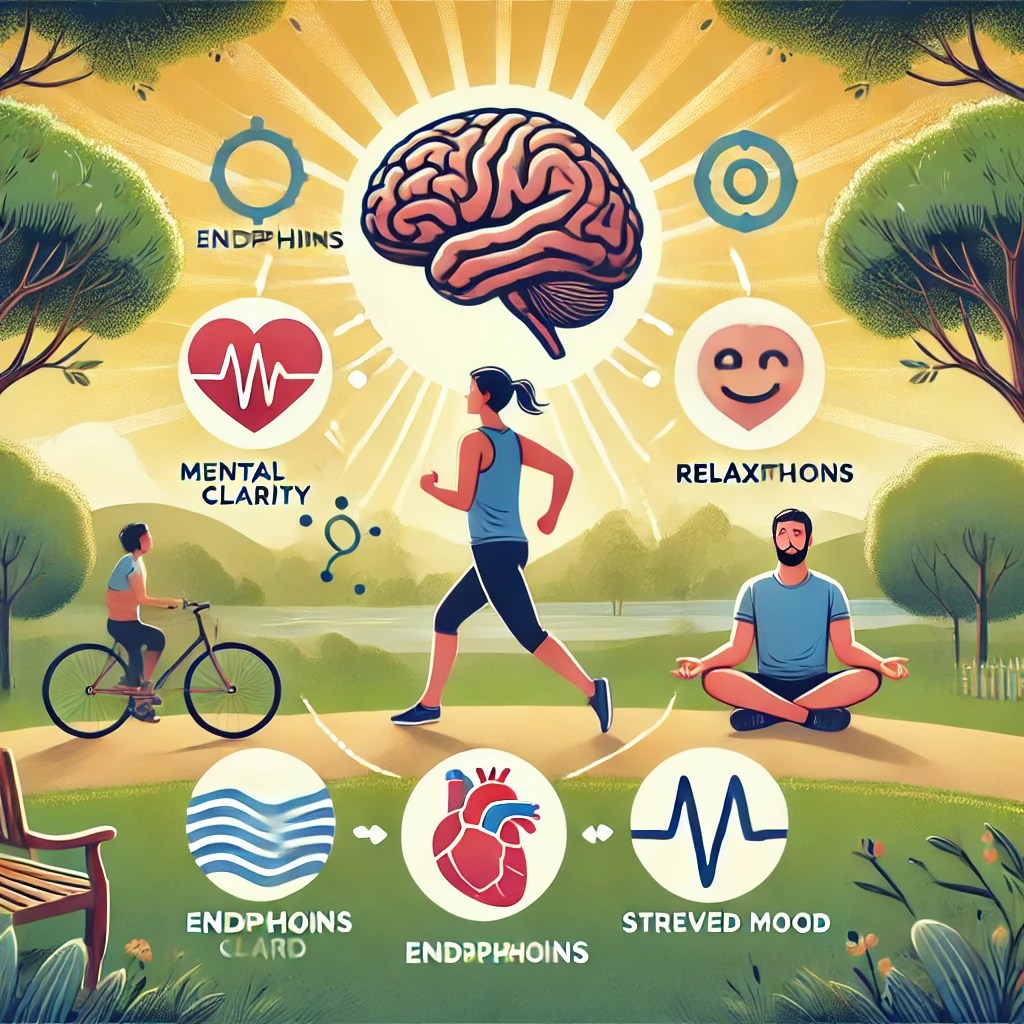
We all deal with stress, and while it’s inevitable, too much of it can harm our mental and physical well-being. Regular exercise acts as a natural stress reliever by lowering cortisol levels (the body’s main stress hormone) and promoting the release of endorphins, chemicals that naturally lift your mood.
Stress can cause tension in your muscles, headaches, and even fatigue, but engaging in regular physical activity helps to:
- Loosen tight muscles caused by stress.
- Improve sleep, allowing your body and mind to recover.
- Provide an outlet for frustration, channeling stressful energy into positive movement.
Studies suggest that even a 20-minute walk can significantly lower cortisol levels and help clear your mind, improving your resilience to stress. 🌿
2. Exercise and Its Role in Combating Anxiety 😟
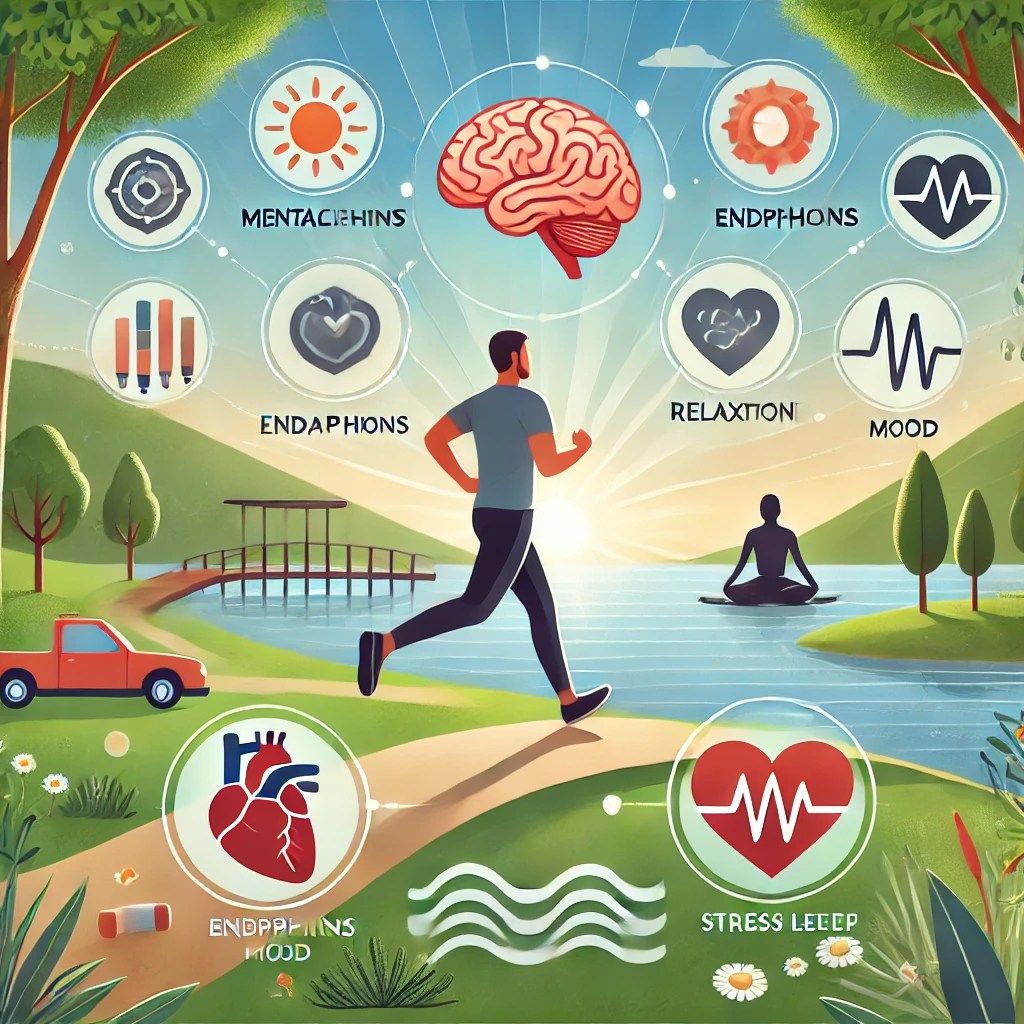
Anxiety disorders affect millions of people worldwide, leading to feelings of excessive worry, nervousness, and fear. One of the most impactful ways to manage anxiety is through regular exercise. Physical activity is known to stimulate brain chemicals, such as serotonin and gamma-aminobutyric acid (GABA), which are critical for reducing symptoms of anxiety.
Some ways in which exercise helps ease anxiety include:
- Breaking the cycle of worry: Focusing on the physical activity at hand, whether it’s lifting weights or going for a run, shifts attention away from anxious thoughts.
- Improving self-esteem: Completing a workout can give a sense of accomplishment and boost your self-worth.
- Better social interactions: Group activities like yoga classes or running clubs foster connection, which can help reduce feelings of isolation and anxiety.
The key here is consistency. Even moderate forms of exercise, such as walking, swimming, or cycling, practiced regularly can make a noticeable difference in anxiety levels.

3. Enhancing Mood and Battling Depression 💪😊
Exercise has been labeled a “natural antidepressant” because of its ability to alleviate symptoms of depression. Studies consistently show that regular physical activity can be as effective as medication for some individuals suffering from mild to moderate depression.
How does it work? Here are the key ways:
- Increased endorphin production: Exercise stimulates the release of endorphins, which are known as “feel-good” hormones that naturally improve your mood.
- Neurogenesis: Physical activity promotes the growth of new brain cells, particularly in the hippocampus, an area of the brain linked to depression and memory. This process, known as neurogenesis, is often disrupted in individuals suffering from depression.
- Distraction from negative thoughts: Focusing on a workout diverts attention away from negative rumination, creating a temporary break from the cycle of depressive thoughts.
Many health experts recommend aerobic exercises such as running, cycling, or swimming to maximize these mental health benefits. Just 30 minutes of physical activity, 3-5 days a week, can have a transformative impact on depressive symptoms.
4. Exercise Boosts Cognitive Function and Memory 🧠📚
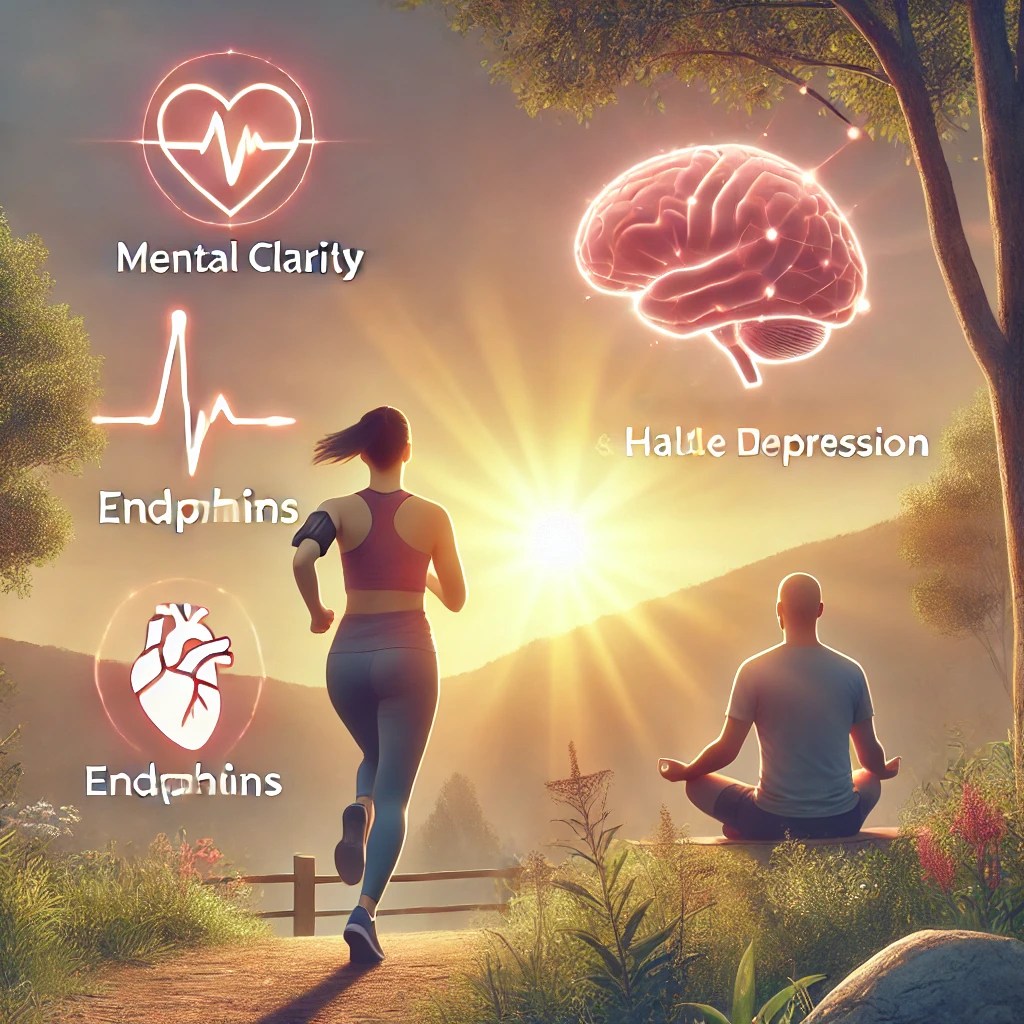
The brain benefits of exercise are substantial. Studies show that regular exercise not only helps maintain cognitive function but can also improve memory and learning capabilities, particularly as we age. Exercise improves blood flow to the brain, which increases oxygen supply and stimulates the growth of new neurons, enhancing overall cognitive function.
Key ways exercise supports brain health include:
- Increased focus and concentration: Physical activity promotes the production of neurotransmitters like dopamine and norepinephrine, which enhance focus and mental clarity.
- Slowing cognitive decline: Regular exercise has been shown to delay the onset of age-related cognitive diseases like Alzheimer’s and dementia.
- Better memory retention: Exercise improves the connectivity between brain cells, making it easier to recall information and retain new knowledge.
Engaging in regular physical activity can sharpen your brain, allowing you to think more clearly and process information more efficiently—whether you’re at work, school, or just navigating daily life.

5. Exercise Enhances Self-Esteem and Body Image 💪❤️
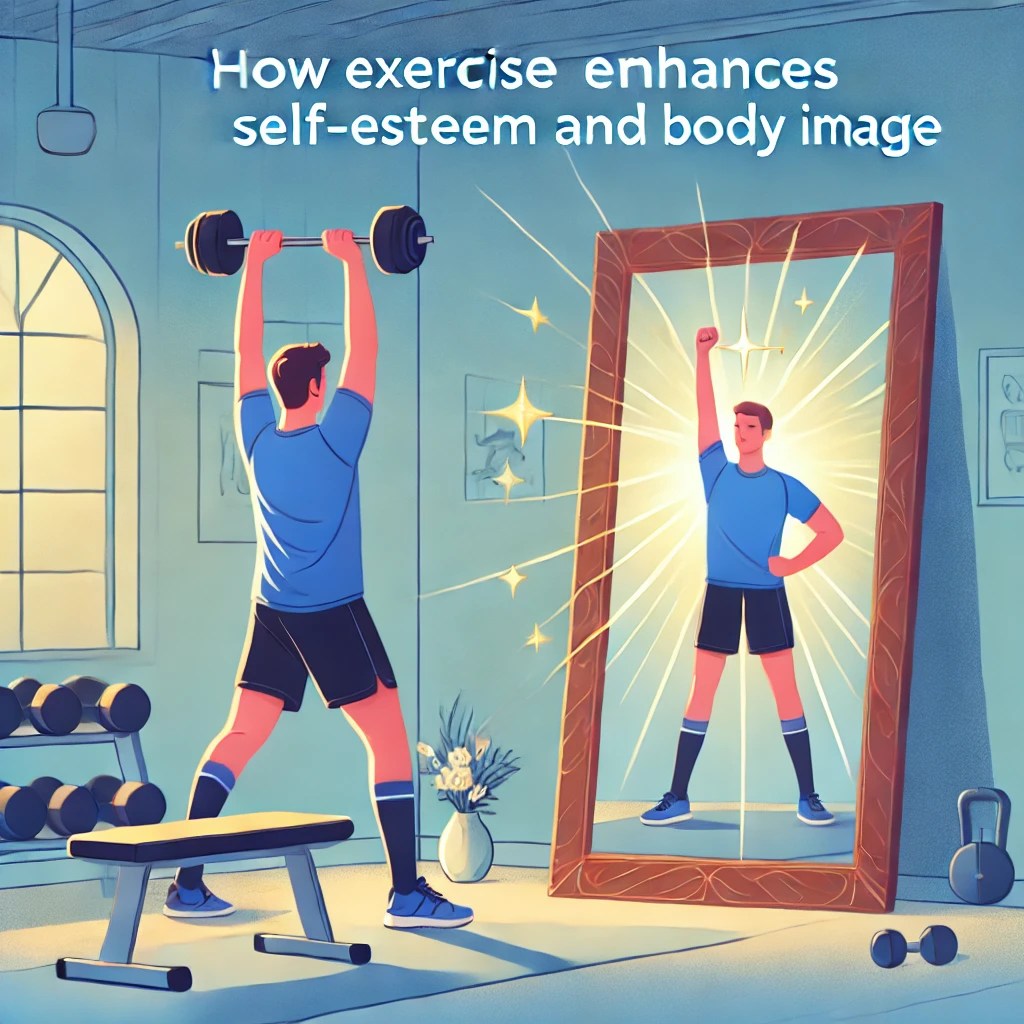
Body image and self-esteem are critical aspects of mental health, and exercise has a direct influence on both. When you engage in regular physical activity, you’re not only working on improving your physical appearance but also boosting your self-confidence and perception of your own body.
The effects include:
- Positive body perception: As your fitness levels improve, so does your body image. Regular exercise can help reduce body dissatisfaction and enhance how you view yourself.
- Sense of accomplishment: Setting and achieving fitness goals—whether it’s running a mile, lifting a heavier weight, or simply sticking to a workout plan—builds self-esteem and provides a tangible sense of success.
- Increased social confidence: Being active often leads to improved social interactions and connections, further boosting your confidence in various settings.
These improvements in self-esteem can have lasting effects on your overall mental health, leading to a more positive outlook on life and a stronger sense of self-worth.
6. Exercise as a Tool for Better Sleep 😴💤
A good night’s rest is essential for maintaining both mental and physical health. However, for many, achieving quality sleep can be difficult, particularly for those who struggle with anxiety, stress, or depression. Exercise has been shown to improve sleep patterns, allowing individuals to fall asleep faster and experience deeper, more restorative sleep.
Key sleep benefits from exercise include:
- Improved sleep quality: Regular physical activity promotes deeper sleep, essential for recovery and overall well-being.
- Reduced insomnia: Exercise can help regulate your body’s circadian rhythm, making it easier to fall asleep and stay asleep throughout the night.
- Stress reduction: By relieving stress and tension through exercise, the mind becomes calmer, making it easier to unwind before bed.
It’s important to note that while moderate-intensity exercise throughout the day can improve sleep, high-intensity workouts right before bed may have the opposite effect. Aim to complete workouts earlier in the day to maximize the sleep benefits.

7. Social Benefits of Group Exercises 🤝🏃♀️
Engaging in group exercise not only boosts your physical fitness but also enhances your mental health through social interaction. Humans are inherently social beings, and participating in group activities such as fitness classes, team sports, or even walking groups can:
- Foster a sense of community: Connecting with others who share similar fitness goals can provide emotional support and reduce feelings of loneliness.
- Increase accountability: Working out with others encourages consistency, helping you stay motivated and committed to your exercise routine.
- Boost enjoyment and mood: Group activities are often more fun and engaging than solo workouts, leading to an enhanced experience and better mental health outcomes.
Whether it’s joining a local running club or participating in online fitness communities, social connections forged through exercise can have lasting positive effects on your mood and overall well-being.

8. Developing a Routine: How to Start and Stick to Regular Exercise 🗓️🏅
Starting and maintaining a regular exercise routine can be challenging, especially if you’re dealing with mental health issues like depression or anxiety. However, building a sustainable exercise habit can provide long-lasting mental health benefits.
Here are some tips to help you get started:
- Start small: Begin with short, manageable workouts, such as a 10-minute walk, and gradually increase the duration and intensity.
- Set realistic goals: Focus on achievable milestones to avoid feeling overwhelmed. Tracking progress can also boost motivation.
- Choose activities you enjoy: Whether it’s swimming, cycling, dancing, or yoga, finding an activity you enjoy will increase the likelihood of sticking with it.
- Create a schedule: Plan your workouts just as you would any other important task. Consistency is key to reaping the mental health benefits.
- Celebrate progress: Reward yourself for reaching small goals, whether it’s buying new workout gear or treating yourself to a relaxing day off.
Consistency is more important than intensity—what matters most is making exercise a regular part of your life.

FAQs About the Mental Health Benefits of Regular Exercise
1. How much exercise is needed to see mental health benefits?
Even 20-30 minutes of moderate physical activity 3-5 days a week can significantly improve mental health.
2. Can exercise replace medication for depression or anxiety?
In some cases, exercise can be as effective as medication for mild to moderate depression and anxiety. However, it’s essential to consult with a healthcare provider before making any changes to treatment.
3. What type of exercise is best for mental health?
Any physical activity that gets your body moving can benefit your mental health, but aerobic exercises like walking, running, swimming, and cycling have been shown to have the most significant impact.
4. Does exercise help with sleep?
Yes, regular exercise can improve the quality and duration of sleep, especially for those struggling with insomnia or poor sleep patterns.
5. Is group exercise more effective for mental health than solo workouts?
Group exercises offer the added benefit of social interaction, which can further enhance mood and reduce feelings of loneliness or isolation.
6. How soon will I notice mental health benefits from exercise?
Some mental health benefits, like improved mood and reduced stress, can be felt immediately after exercise. However, long-term benefits like reduced symptoms of depression or anxiety may take a few weeks of consistent activity.
Conclusion
Regular exercise offers a wide range of mental health benefits, from reducing stress and anxiety to improving sleep, cognitive function, and overall mood. Whether you’re engaging in solo workouts or group activities, the key is consistency. By making exercise a regular part of your life, you can significantly boost your mental well-being and improve your quality of life.
 Welcome to FitLife Hub 🌟