
Staying informed about the latest trends in fitness, nutrition, and wellness can sometimes feel overwhelming with the ever-evolving health landscape. The good news is that science-backed information and expert advice can provide the foundation you need to make smart, informed choices for your well-being.
In this comprehensive guide, we’ll dive into the most recent research and expert insights on fitness, nutrition, and wellness, covering essential tips and evidence-based strategies that you can trust for optimal health.

1. The Importance of Staying Informed on Health and Wellness Trends 🧠
Keeping up with science-backed health trends helps you make well-informed decisions that align with your long-term health goals. With so much misinformation available online, understanding what’s truly effective based on credible research is key.
a. Why Science-Backed Health Information Matters 📊
The wellness industry is filled with trends and fads, many of which are not backed by solid research. By relying on science-backed advice, you can avoid following ineffective or even harmful practices. Trusted sources like scientific journals, certified health professionals, and reputable organizations provide information based on controlled studies and peer-reviewed research.
b. Common Pitfalls of Misinformation 🛑
Many individuals fall into the trap of believing health myths or following trendy diets that promise quick results but aren’t sustainable or healthy in the long run. For example:
- Fad diets often lead to nutrient deficiencies.
- Unproven supplements may cause adverse reactions.
- Misleading fitness advice can result in injury.
Learning how to discern credible health advice from pseudoscience can prevent these issues and keep you on track with effective strategies.

2. Understanding the Basics of Fitness 🏋️♀️
Fitness is a cornerstone of a healthy lifestyle, and understanding the basics helps you structure a routine that aligns with your goals—whether it’s strength building, cardiovascular health, or overall well-being.
a. Cardio, Strength, and Flexibility Training: What’s Best? ⚖️
There are three main pillars of fitness, and each plays a crucial role in maintaining overall health:
- Cardiovascular Training: Cardio exercises (like running, swimming, or cycling) improve heart and lung function while burning calories. According to the American Heart Association, adults should aim for at least 150 minutes of moderate-intensity cardio per week to maintain cardiovascular health.
- Strength Training: Building muscle through resistance exercises (using weights, body weight, or resistance bands) strengthens bones and increases metabolism. A study published in the Journal of Applied Physiology found that strength training improves insulin sensitivity and reduces the risk of chronic diseases like diabetes.
- Flexibility and Mobility Training: Stretching exercises, including yoga and Pilates, enhance flexibility and improve joint health, which can prevent injuries. Flexibility training also promotes better posture and balance.
b. Science-Backed Fitness Tips for Beginners 🏃♂️
For those new to fitness, starting slowly and gradually increasing intensity is key to avoiding injury and building sustainable habits. The American College of Sports Medicine (ACSM) suggests beginners start with 20-30 minutes of low-intensity exercise, 3-4 times per week, while incorporating strength training twice a week.
Tip: Mix cardio, strength, and flexibility exercises into your routine to cover all aspects of fitness.

3. Breaking Down the Science of Nutrition 🥗
Nutrition plays a critical role in supporting your fitness goals and overall health. Understanding how nutrients affect your body allows you to create a balanced, sustainable eating plan that fuels your body effectively.
a. Macronutrients: Carbs, Proteins, and Fats 🥑
Each macronutrient serves a specific purpose, and it’s important to balance them appropriately:
- Carbohydrates: Often misunderstood, carbs are your body’s primary energy source. Complex carbs, like whole grains and vegetables, provide a steady energy release, while simple carbs (e.g., sugary foods) can lead to spikes in blood sugar. Research from Harvard T.H. Chan School of Public Health shows that diets rich in complex carbs reduce the risk of chronic diseases.
- Proteins: Essential for building and repairing tissues, proteins should make up about 10-35% of your daily caloric intake. According to the National Institutes of Health (NIH), protein needs vary based on activity level and age, but most adults need about 0.8 grams of protein per kilogram of body weight.
- Fats: Healthy fats, such as those found in avocados, nuts, and olive oil, are necessary for brain health, hormone production, and absorption of fat-soluble vitamins. Omega-3 fatty acids, found in fish like salmon, are particularly beneficial for reducing inflammation and improving heart health.
b. Micronutrients: The Role of Vitamins and Minerals 🍊
While macronutrients provide energy, micronutrients (vitamins and minerals) are crucial for various bodily functions, including immune support, energy production, and bone health. For example:
- Vitamin D supports calcium absorption and bone health.
- Magnesium plays a role in over 300 enzyme reactions, including energy production.
- Iron is essential for transporting oxygen in the blood, preventing fatigue.
Incorporating a wide variety of nutrient-dense foods, such as fruits, vegetables, lean proteins, and whole grains, ensures you’re meeting your daily vitamin and mineral needs.

4. The Role of Hydration in Fitness and Wellness 💧
Staying hydrated is one of the most overlooked aspects of health, but it’s critical for maintaining energy, brain function, and overall well-being. Dehydration can lead to fatigue, poor concentration, and physical impairment during workouts.
a. How Much Water Do You Really Need? 🥤
While the “8 glasses a day” rule is a common guideline, individual hydration needs vary based on activity level, climate, and overall health. According to the Institute of Medicine, men should aim for about 3.7 liters (125 ounces) of water per day, while women should aim for 2.7 liters (91 ounces). However, athletes and those in hot climates may need more.
b. Hydration for Athletes and Active Individuals 🏃♀️
For those engaged in intense exercise, water alone may not be sufficient to replace the electrolytes lost through sweat. Electrolytes like sodium, potassium, and magnesium help regulate fluid balance, nerve function, and muscle contractions. Drinking a sports drink or adding electrolyte tablets to water can prevent dehydration during long or strenuous workouts.
Tip: Monitor your hydration by checking the color of your urine—it should be pale yellow. Darker urine is a sign of dehydration.

5. The Truth About Weight Loss: Myths vs. Facts ⚖️
There’s a lot of misinformation surrounding weight loss, making it difficult to discern which advice is backed by science. Let’s explore some common weight loss myths and break down the facts based on research.
a. Weight Loss Myths Debunked 🚫
- Myth: Carbs Are Bad for Weight Loss
Fact: Carbohydrates are not inherently fattening. It’s the quality and quantity of carbs that matter. Whole grains, fruits, and vegetables provide essential nutrients and fiber that promote satiety and support metabolism. - Myth: Eating Fat Makes You Fat
Fact: Healthy fats (like those from avocados, nuts, and olive oil) are essential for a balanced diet. These fats are satiating and can help with weight loss when eaten in moderation. - Myth: Skipping Meals Helps You Lose Weight
Fact: Skipping meals can lead to overeating later and may slow down your metabolism. Research from the Journal of Nutrition suggests that eating regular, balanced meals helps with long-term weight management.
b. Science-Backed Weight Loss Tips 📉
- Focus on Protein: Increasing protein intake boosts metabolism, reduces appetite, and preserves lean muscle mass during weight loss. Studies show that higher-protein diets lead to more effective fat loss compared to lower-protein diets.
- Eat Mindfully: Mindful eating—focusing on your food and eating slowly—helps prevent overeating and promotes better digestion.
- Track Your Progress: Keeping a food and exercise journal increases accountability and helps identify patterns that may be hindering weight loss. Studies show that self-monitoring is one of the most effective tools for weight loss.

6. Gut Health: The Key to Overall Wellness 🦠
The gut microbiome plays a critical role in digestion, immunity, and even mental health. A healthy gut is essential for absorbing nutrients, regulating hormones, and protecting against disease.
a. The Gut-Brain Connection 🧠🌱
Recent research has highlighted the strong connection between gut health and mental well-being. The gut-brain axis is a communication network between your gut and your brain. Imbalances in gut bacteria have been linked to mental health disorders like anxiety, depression, and brain fog.
Probiotics (good bacteria) and prebiotics (food for good bacteria) can help maintain a balanced gut microbiome. Foods like yogurt, kefir, sauerkraut, and bananas are excellent for gut health.
b. Foods That Support Gut Health 🍽️
- Probiotic-Rich Foods: Fermented foods like kimchi, sauerkraut, and miso introduce beneficial bacteria into your gut.
- High-Fiber Foods: Fiber acts as a prebiotic, feeding the good bacteria. Beans, whole grains, fruits, and vegetables are great sources of fiber.
- Polyphenols: Found in foods like dark chocolate, red wine, and green tea, polyphenols have been shown to promote the growth of beneficial gut bacteria.
Maintaining gut health is key to improving digestion, boosting immunity, and even enhancing mental clarity.
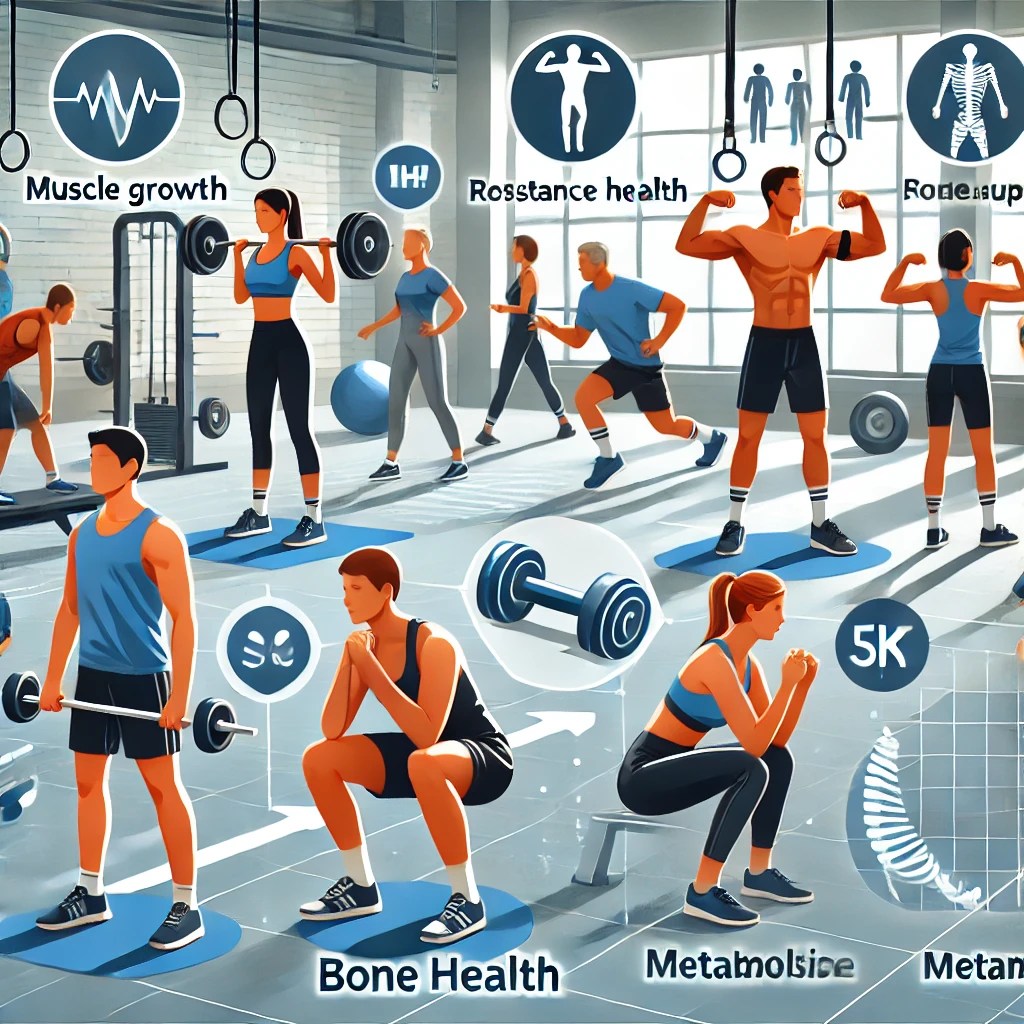
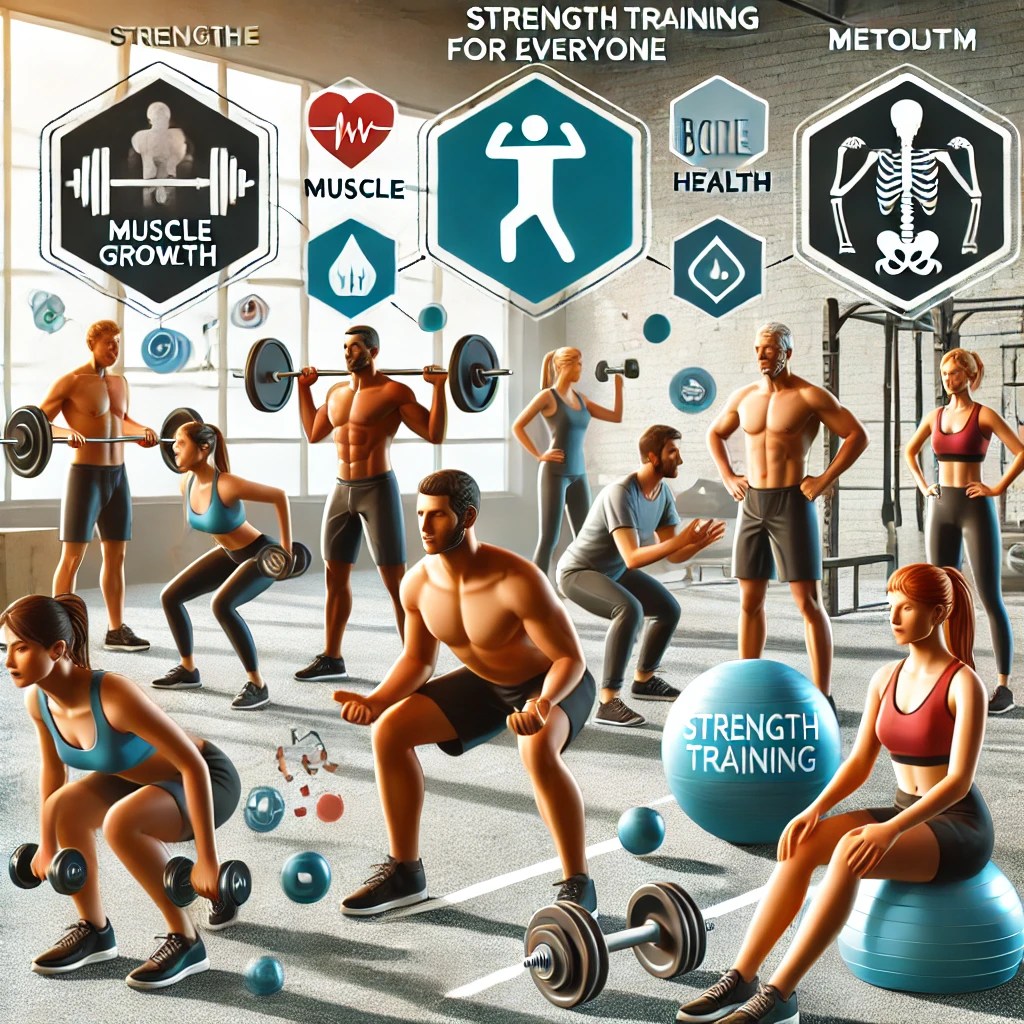
7. Strength Training: Why It’s Essential for Everyone 🏋️♂️
Strength training is often associated with bodybuilders, but it’s an essential practice for people of all ages and fitness levels. It supports bone health, improves metabolism, and increases physical endurance.
a. Benefits of Strength Training for Long-Term Health 🦾
- Bone Density: As we age, we lose bone density, increasing the risk of fractures. Resistance training has been shown to slow this process and even improve bone density, making it essential for older adults.
- Muscle Mass: After age 30, muscle mass decreases by about 3-5% per decade. Strength training helps counteract this loss, promoting lean muscle growth and improving overall mobility.
- Improved Metabolism: Muscle burns more calories than fat, even at rest. Increasing muscle mass through resistance training helps boost metabolism and maintain a healthy weight.
b. Tips for Starting a Strength Training Routine 🏋️♀️
- Focus on Compound Movements: Exercises like squats, deadlifts, and push-ups work multiple muscle groups at once, maximizing efficiency.
- Start with Bodyweight Exercises: If you’re new to strength training, begin with bodyweight exercises like squats, lunges, and planks. Gradually add weights as you become more comfortable.
- Prioritize Rest: Strength training breaks down muscle fibers, and rest is crucial for recovery and muscle growth. Give each muscle group at least 48 hours of rest between sessions.
Tip: Aim for at least two strength training sessions per week, targeting all major muscle groups for optimal results.
8. The Benefits of Stretching and Flexibility Training 🧘♂️
Stretching and flexibility exercises are often neglected but are vital for overall fitness. They improve range of motion, prevent injury, and promote better posture.
a. Why Flexibility Matters 🤸♀️
- Injury Prevention: Tight muscles increase the risk of strains and injuries, especially during high-intensity workouts. Stretching before and after exercise helps lengthen muscles and reduce injury risk.
- Improved Posture: Stretching helps correct muscle imbalances caused by prolonged sitting, poor posture, or repetitive movements. Regular flexibility exercises can improve posture and reduce back pain.
b. Best Stretching Techniques for Beginners 💪
There are two main types of stretching:
- Dynamic Stretching: Performed before exercise, dynamic stretching involves active movements that mimic the activity you’re about to perform, such as leg swings or arm circles. It helps increase blood flow and prepare your muscles for the workout.
- Static Stretching: This involves holding a stretch for 20-30 seconds after your workout, which helps relax the muscles and increase flexibility over time.
Tip: Incorporate stretching into your daily routine, even on non-exercise days, to maintain flexibility and prevent stiffness.

9. The Role of Sleep in Health and Fitness 😴
Sleep is an essential component of overall health and fitness. It affects everything from muscle recovery to cognitive function and mental health.
a. How Sleep Impacts Fitness and Recovery 🛌
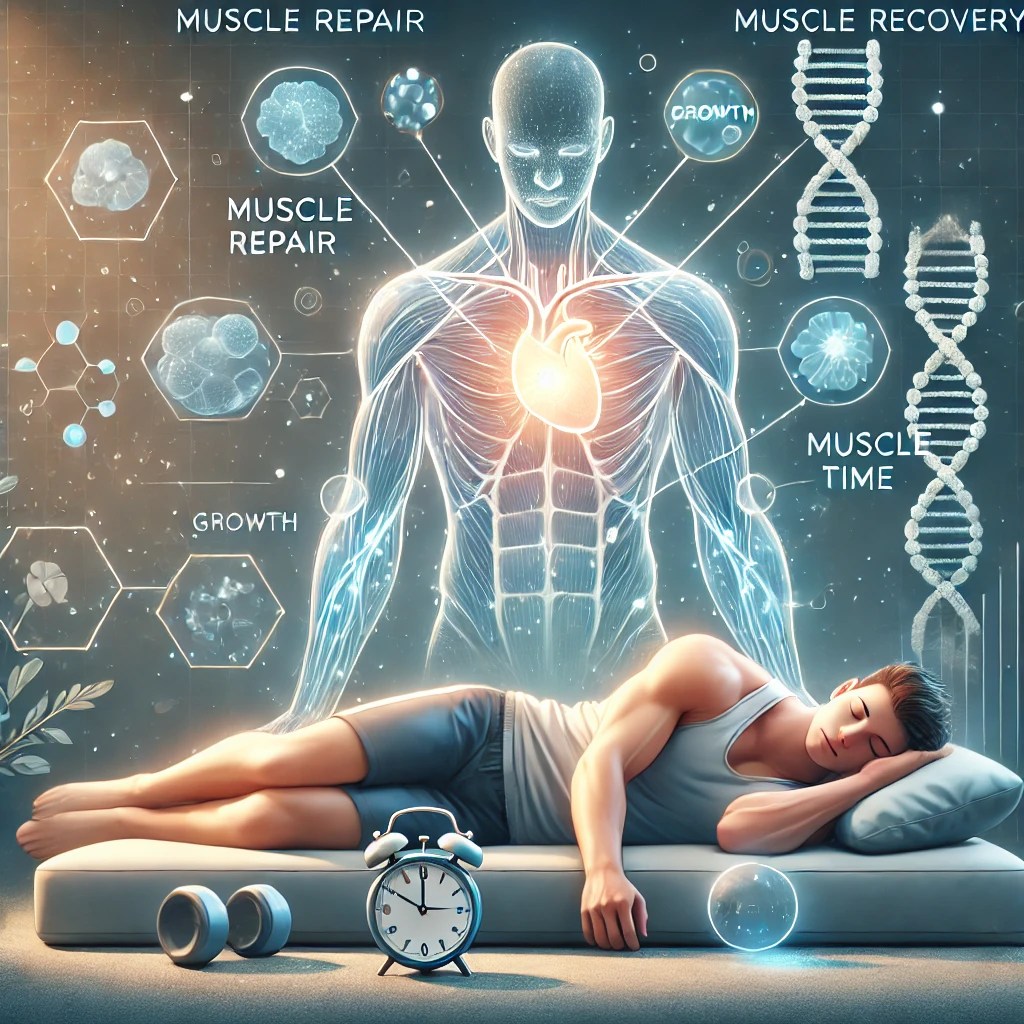
- Muscle Repair: During deep sleep, your body repairs and builds muscle tissue, making it essential for muscle growth and recovery after exercise.
- Cognitive Function: Sleep deprivation can impair focus, reaction time, and decision-making. Lack of sleep also reduces willpower, making it harder to stick to fitness and nutrition goals.
- Hormone Regulation: Sleep helps regulate hormones that control appetite, such as ghrelin and leptin. Inadequate sleep can lead to overeating and cravings for high-calorie foods.
b. Tips for Improving Sleep Quality 💤
- Create a Sleep Schedule: Go to bed and wake up at the same time every day, even on weekends. This helps regulate your body’s internal clock.
- Limit Screen Time Before Bed: The blue light from phones and computers can disrupt your circadian rhythm. Try to avoid screens at least one hour before bedtime.
- Create a Relaxing Environment: Make sure your bedroom is cool, quiet, and dark. Use earplugs, eye masks, or white noise machines if necessary.
By prioritizing sleep, you’ll improve your physical and mental health, leading to better performance in fitness and daily activities.

10. Stress Management: Science-Backed Techniques to Reduce Anxiety 🌿
Chronic stress has a significant impact on both mental and physical health. Learning how to manage stress effectively is crucial for maintaining wellness.
a. The Physical Impact of Stress ⚡
Chronic stress can lead to a wide range of health problems, including:
- High blood pressure: Prolonged stress increases your risk of heart disease.
- Weakened immune system: Stress reduces your body’s ability to fight off infections.
- Weight gain: High levels of cortisol, a stress hormone, can lead to increased appetite and weight gain, particularly around the abdomen.
b. Science-Backed Stress Relief Techniques 🧘♀️
- Mindfulness Meditation: Studies show that practicing mindfulness reduces cortisol levels and lowers stress. Just 10 minutes a day can make a big difference.
- Deep Breathing Exercises: Deep, diaphragmatic breathing slows the heart rate and reduces stress. One popular technique is box breathing: inhale for 4 seconds, hold for 4 seconds, exhale for 4 seconds, and repeat.
- Physical Activity: Exercise is one of the best stress relievers. It promotes the release of endorphins, the body’s natural mood enhancers.
By incorporating these stress-management strategies into your daily routine, you can reduce anxiety and improve both mental and physical well-being.

11. Supplements: What You Need to Know 💊
Supplements can play a role in filling nutritional gaps, but it’s important to understand which ones are backed by science and which may not be necessary.
a. Popular Science-Backed Supplements 🌱
- Vitamin D: Many people are deficient in vitamin D, especially during the winter months. Adequate vitamin D levels support bone health, immunity, and mental well-being.
- Omega-3 Fatty Acids: Found in fish oil, Omega-3 supplements are linked to reduced inflammation, improved heart health, and enhanced brain function.
- Magnesium: This essential mineral supports muscle function, nerve health, and sleep quality. Studies show that magnesium supplements can help reduce muscle cramps and improve sleep, especially for athletes.
b. Supplements to Avoid ❌
Not all supplements are beneficial, and some may even be harmful. Always be cautious with supplements that promise quick weight loss or muscle gain, as many of these products lack solid research and can have harmful side effects.
Tip: Always consult a healthcare provider before adding new supplements to your routine, especially if you’re taking medications or have underlying health conditions.
12. Functional Training: Why It’s Important for Everyday Life 🏋️♀️
Functional training involves exercises that mimic everyday movements, improving your ability to perform daily tasks while reducing the risk of injury.
a. What is Functional Training? 🏃♀️
Functional training focuses on movements like squatting, bending, lifting, pushing, and pulling—actions that you perform regularly. This type of training improves coordination, balance, strength, and flexibility, helping you perform daily activities with ease.
b. Benefits of Functional Training 🏋️♂️
- Injury Prevention: Functional training strengthens muscles and joints used in daily life, reducing the risk of injury during physical activity or daily tasks.
- Improved Mobility: Functional exercises increase flexibility and range of motion, making it easier to bend, twist, and lift without pain or stiffness.
- Enhanced Core Strength: Many functional exercises engage the core muscles, improving posture and stability.
Example Exercises:
- Squats: Mimic the motion of sitting and standing.
- Lunges: Improve balance and coordination.
- Deadlifts: Strengthen the back and legs, improving your ability to lift objects safely.
13. The Science Behind Recovery: Why Rest is Crucial 🛌
Recovery is an often overlooked aspect of fitness, but it’s just as important as exercise. Without adequate recovery, you increase the risk of injury, burnout, and fatigue.
a. Why Recovery Matters 🌿
1. Muscle Repair: When you exercise, your muscles develop tiny tears. Rest allows these tears to heal and muscles to grow stronger.
2. Prevention of Overtraining: Overtraining can lead to decreased performance, muscle fatigue, and even injury. Incorporating rest days into your routine is crucial for preventing burnout.
b. Best Recovery Practices 🧖♂️
- Sleep: Ensure you’re getting at least 7-9 hours of quality sleep per night to support muscle recovery and mental rejuvenation.
- Active Recovery: Light activities like walking, yoga, or swimming on rest days promote blood flow and help muscles recover faster.
- Foam Rolling and Stretching: Foam rolling helps release tension in the muscles and improve flexibility, while static stretching helps lengthen tight muscles.
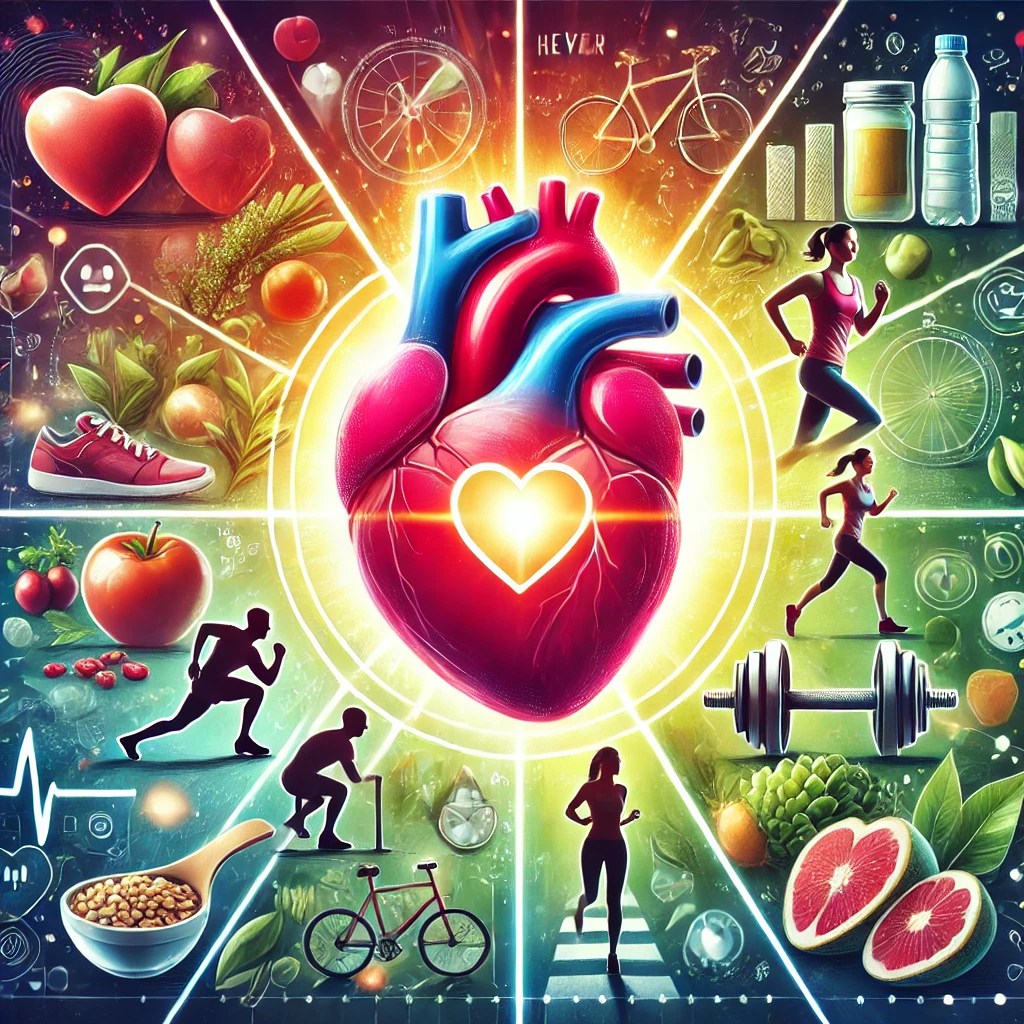
14. Heart Health: The Role of Exercise and Nutrition ❤️
Your heart is your body’s most vital organ, and taking care of it should be a top priority. A combination of exercise and proper nutrition can significantly reduce the risk of heart disease, stroke, and high blood pressure.
a. The Best Exercises for Heart Health 🏃♂️
- Aerobic Exercise: Activities like walking, jogging, swimming, and cycling improve cardiovascular endurance and strengthen the heart. Aim for at least 150 minutes of moderate aerobic activity per week, as recommended by the American Heart Association.
- Strength Training: Strength training improves muscle mass and metabolism, which supports heart health. Incorporate at least two sessions per week focusing on all major muscle groups.
b. Heart-Healthy Nutrition Tips 🥑
- Increase Fiber Intake: Foods high in fiber, such as fruits, vegetables, and whole grains, help reduce cholesterol levels and support heart health.
- Choose Healthy Fats: Focus on unsaturated fats like those found in avocados, nuts, and olive oil. Limit saturated fats from processed foods and red meats.
- Reduce Sodium: High sodium intake increases the risk of high blood pressure, which can lead to heart disease. Aim to consume less than 2,300 milligrams of sodium per day.

15. FAQs About Expert Advice and Science-Backed Tips ❓
a. How can I trust the health information I read online?
Look for information from reputable sources like peer-reviewed journals, government health organizations (e.g., the CDC or NIH), and certified professionals in the field. Avoid advice from unverified influencers or sources that lack scientific backing.
b. Are supplements necessary for optimal health?
Not necessarily. While some supplements can help fill nutritional gaps, it’s best to get most of your nutrients from a balanced diet. Always consult a healthcare provider before starting any supplement.
c. How much exercise do I need to stay healthy?
Aim for at least 150 minutes of moderate-intensity aerobic activity and two days of strength training per week. However, even small amounts of daily activity can improve health over time.
d. How can I reduce stress through science-backed methods?
Techniques like mindfulness meditation, deep breathing exercises, and regular physical activity have been proven to reduce stress. Incorporating these into your routine can lower cortisol levels and promote relaxation.
e. What should I eat for better gut health?
Focus on a diet rich in fiber, probiotics (like yogurt or fermented foods), and polyphenols (found in fruits, vegetables, and dark chocolate) to support a healthy gut microbiome.
f. How can I improve my sleep naturally?
Improve sleep by establishing a regular sleep schedule, avoiding screens before bed, and creating a relaxing bedtime routine that promotes relaxation, such as reading or meditating.
Conclusion: Trust Science-Backed Health Advice for Long-Term Success 🌟
When it comes to fitness, nutrition, and overall wellness, it’s crucial to rely on science-backed advice rather than following trends or fads. By staying informed through credible sources, you can make smart choices that support your long-term health goals.
From building a balanced fitness routine to creating a nutrient-rich diet, every small, evidence-based change brings you closer to optimal health. Keep learning, stay curious, and always strive for balance in all aspects of your wellness journey.

