
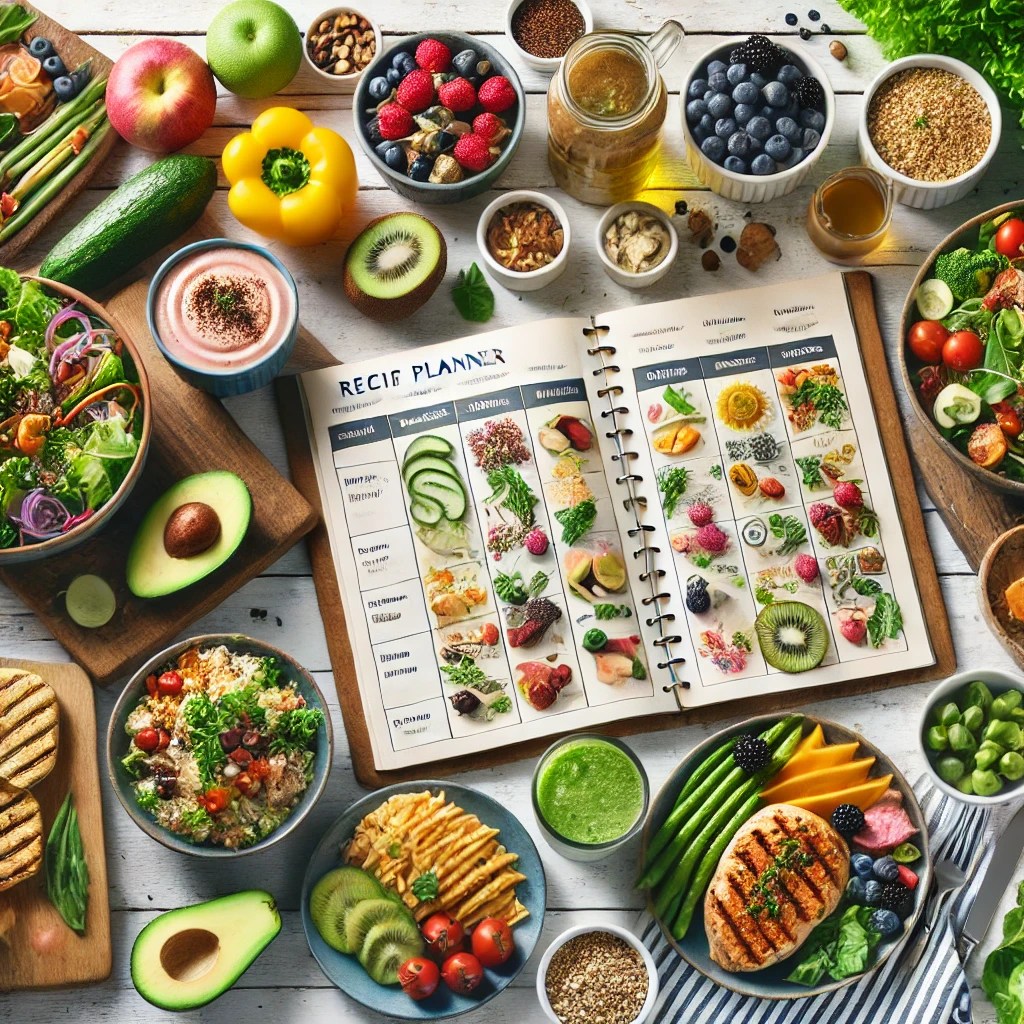
Eating healthy doesn’t have to be a challenge! With the right recipes and a structured meal plan, you can enjoy delicious, nutrient-dense meals that fuel your body and support long-term wellness. In this guide, we’ll cover easy, healthy recipes and practical meal-planning strategies to help you succeed in your healthy-eating journey. Whether your goals are weight loss, more energy, or just feeling your best, these tips and recipes will set you up for success! 🌟
1. The Importance of Healthy Eating 🍎
Healthy eating is about more than just counting calories or restricting certain foods—it’s about nourishing your body with the right balance of nutrients to support overall health and well-being. Here are the key reasons why adopting a healthy meal plan is essential:
a. Boosting Immunity 🛡️
A diet rich in fruits, vegetables, and whole grains provides your body with the vitamins, minerals, and antioxidants it needs to fight off illnesses. Nutrients like vitamin C, vitamin D, and zinc play a critical role in strengthening the immune system. Incorporating foods like citrus fruits, leafy greens, and nuts can naturally boost your body’s defenses.
b. Enhancing Mental Health 🧠
The connection between diet and mental health is often overlooked. However, certain foods, such as those rich in Omega-3 fatty acids (e.g., salmon, walnuts, flaxseeds), support brain health and may reduce symptoms of anxiety and depression. Additionally, whole foods like leafy greens and berries contain antioxidants that protect brain cells from damage and promote cognitive function.
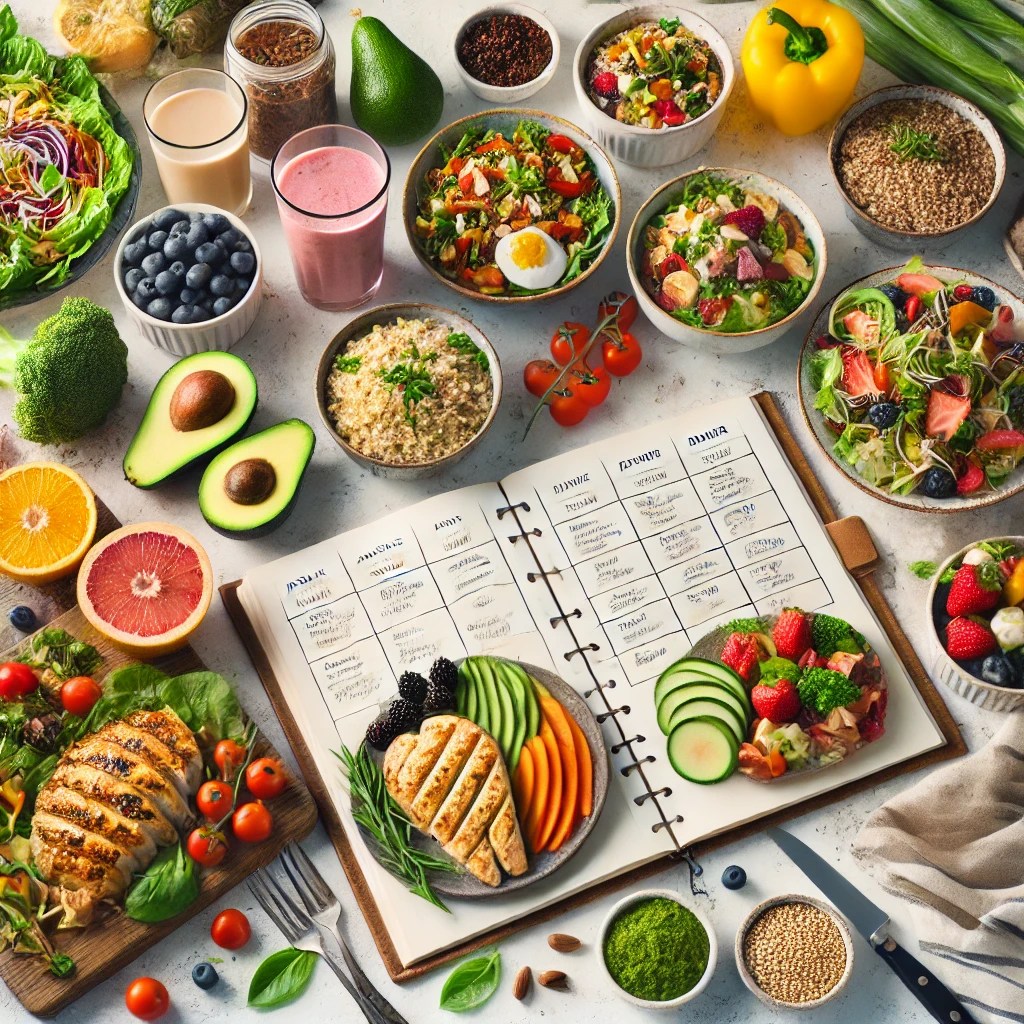
c. Maintaining a Healthy Weight ⚖️
Eating a balanced diet that includes lean proteins, healthy fats, and whole grains can help you maintain a healthy weight. Processed foods high in sugars and unhealthy fats are often calorie-dense but lack essential nutrients, leading to weight gain and health issues. Replacing these with whole foods helps regulate metabolism and keeps you feeling full longer, reducing the temptation to overeat.
d. Increasing Energy Levels ⚡
A well-balanced diet provides the body with sustained energy throughout the day. Complex carbohydrates (like oats and quinoa), combined with lean proteins and healthy fats, release energy slowly, preventing the energy crashes associated with sugary or processed snacks.
2. Healthy Breakfast Recipes to Start Your Day Right 🍳
Starting your day with a healthy breakfast can set the tone for balanced eating throughout the day. Here are two easy breakfast recipes that are packed with nutrients and will keep you energized until lunchtime.
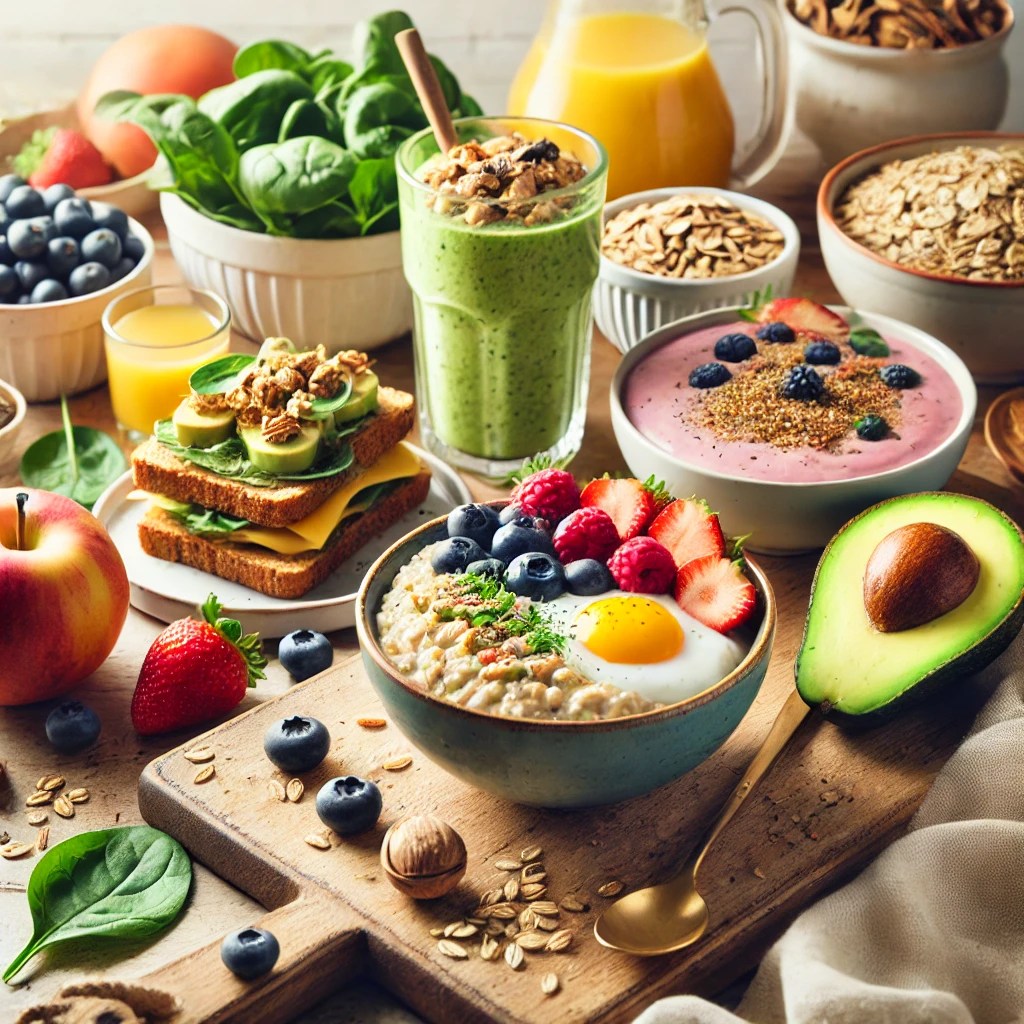
a. Overnight Oats with Chia Seeds and Blueberries 🌾
Overnight oats are a time-saving breakfast that you can prepare the night before. They’re packed with fiber, Omega-3s from the chia seeds, and antioxidants from the blueberries.
- Ingredients:
- 1/2 cup rolled oats
- 1 tablespoon chia seeds
- 1/2 cup almond milk or any milk of your choice
- 1/4 cup Greek yogurt (optional for extra protein)
- 1/2 cup fresh or frozen blueberries
- 1 tablespoon honey or maple syrup for sweetness
- Instructions:
- Combine the oats, chia seeds, almond milk, and Greek yogurt in a jar or container. Stir well.
- Add the blueberries on top and drizzle with honey or maple syrup.
- Refrigerate overnight. In the morning, give it a good stir and enjoy!
This is a fiber-rich breakfast that promotes digestion and keeps you full for longer. You can also add toppings like almonds, walnuts, or sliced bananas for extra flavor and nutrition.
b. Spinach and Feta Omelette 🥚🌿
Eggs are an excellent source of protein, and this omelet adds spinach (rich in iron and vitamins) and feta for extra flavor. This low-carb breakfast is perfect for keeping blood sugar levels stable and providing lasting energy.
- Ingredients:
- 2 large eggs
- 1/4 cup fresh spinach, chopped
- 1 tablespoon crumbled feta cheese
- 1 teaspoon olive oil
- Salt and pepper to taste
- Instructions:
- Beat the eggs in a small bowl and season with salt and pepper.
- Heat olive oil in a non-stick pan over medium heat.
- Add the spinach and cook until wilted, about 1-2 minutes.
- Pour the eggs over the spinach and cook until the eggs begin to set.
- Sprinkle the feta on top, fold the omelet, and cook for another minute or two. Serve immediately!
Tip: Serve this omelet with a side of sliced avocado for an extra boost of healthy fats and fiber.
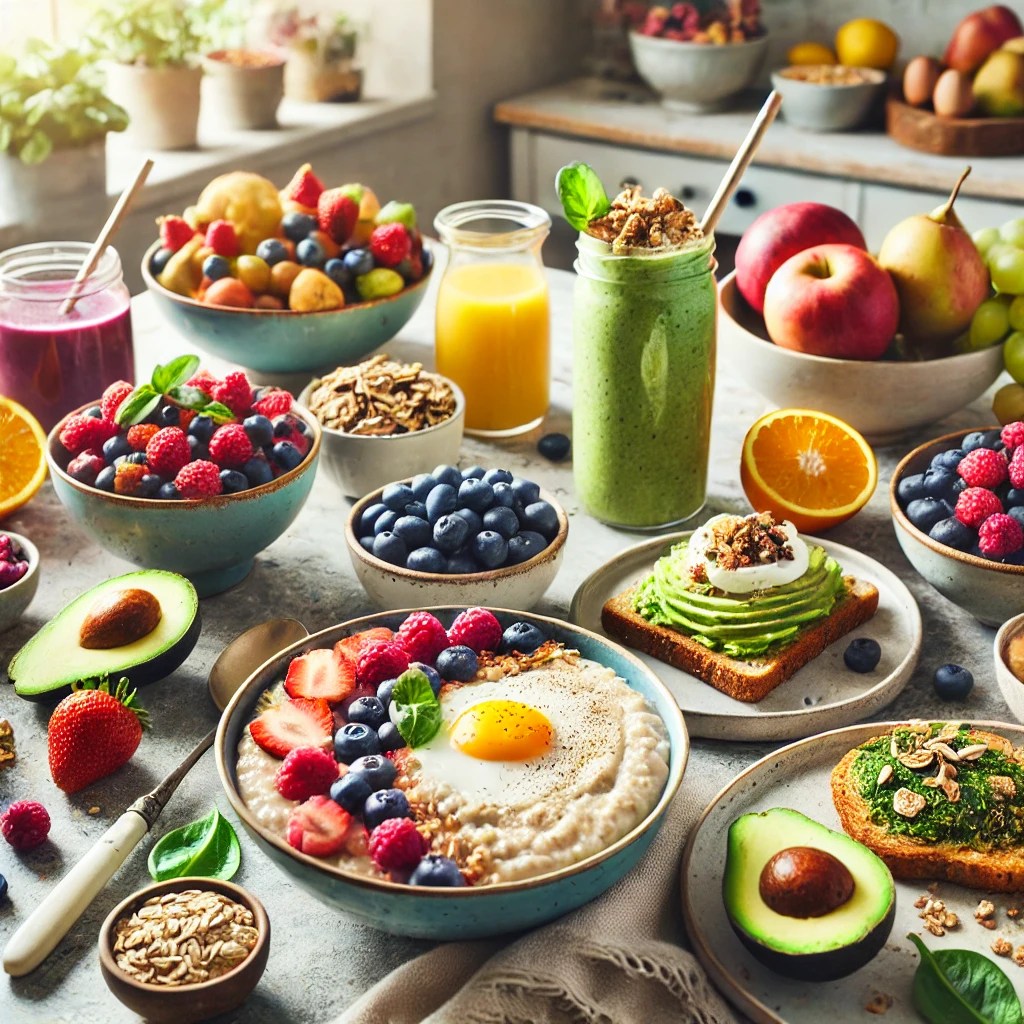
3. Nutritious and Easy Lunch Recipes 🥗
Lunch should be a meal that fills you up without making you feel sluggish. Here are two nutrient-dense lunch recipes that are easy to prepare and perfect for taking to work or enjoying at home.
a. Chickpea Salad with Lemon and Parsley 🍋🌿
This salad is full of plant-based protein and fiber, making it a great choice for a light yet satisfying lunch. It’s also packed with antioxidants and fresh flavors.
- Ingredients:
- 1 can chickpeas, drained and rinsed
- 1/4 cup red onion, finely chopped
- 1/2 cucumber, diced
- 1/4 cup fresh parsley, chopped
- Juice of 1 lemon
- 1 tablespoon olive oil
- Salt and pepper to taste
- Instructions:
- Combine the chickpeas, red onion, cucumber, and parsley in a large bowl.
- In a small bowl, whisk together the lemon juice, olive oil, salt, and pepper.
- Pour the dressing over the salad and toss to combine. Serve chilled.
This quick and easy lunch is great for meal prep—you can make a big batch and store it in the fridge for 3-4 days. Pair it with whole-grain crackers or pita bread for a more substantial meal.
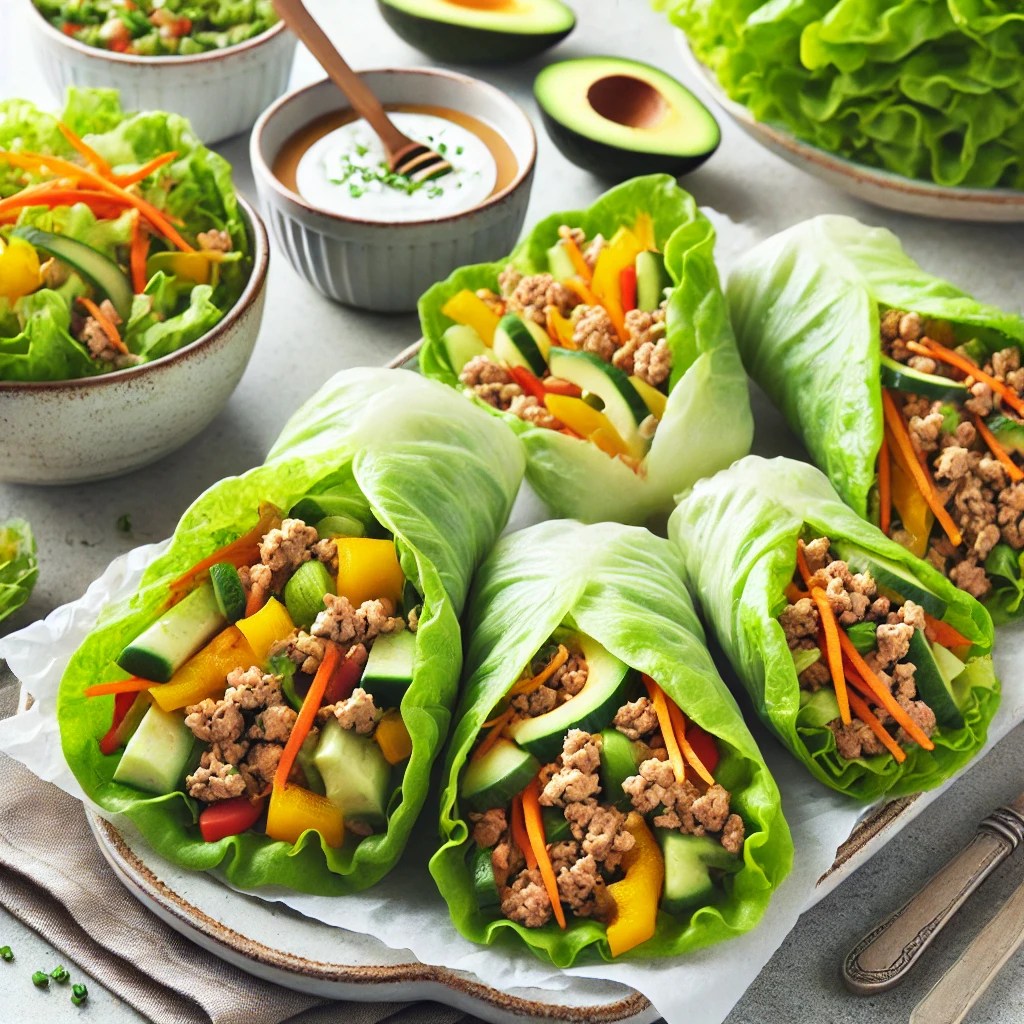
b. Turkey and Veggie Lettuce Wraps 🥬🍗
These low-carb lettuce wraps are packed with lean protein and vegetables, offering a light yet filling lunch option that’s full of flavor.
- Ingredients:
- 4 large lettuce leaves (romaine or butter lettuce work best)
- 1/2 cup cooked turkey breast, sliced
- 1/4 avocado, sliced
- 1/4 cup shredded carrots
- 1/4 cup sliced bell peppers
- 2 tablespoons hummus
- Instructions:
- Spread a thin layer of hummus on each lettuce leaf.
- Top with turkey, avocado, carrots, and bell peppers.
- Fold the sides of the lettuce leaves over the fillings and roll them up like a wrap. Serve immediately.
These wraps are great if you’re looking for a low-carb, high-protein meal that’s quick to assemble. Feel free to swap out the turkey for grilled chicken or tofu to keep things interesting.
4. Filling and Healthy Dinner Recipes 🍽️
Dinner is the perfect opportunity to focus on balanced, nutrient-dense meals that are satisfying but not too heavy. Here are some healthy dinner recipes to add to your weekly rotation.
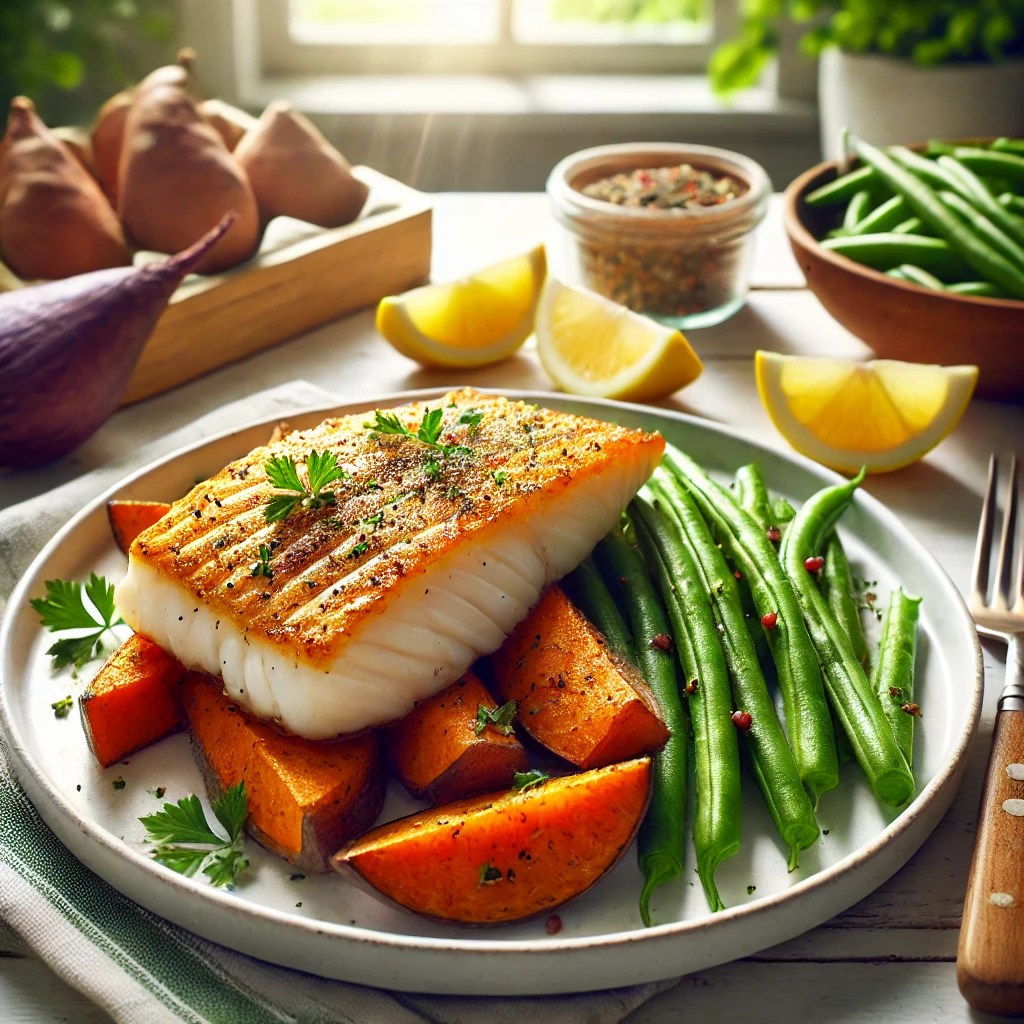
a. Baked Cod with Sweet Potato and Green Beans 🐟🍠
Cod is a lean fish that’s rich in protein and Omega-3s, while sweet potatoes are full of fiber, vitamins, and antioxidants. This simple dish is perfect for a healthy and balanced dinner.
- Ingredients:
- 2 cod fillets
- 1 medium sweet potato, cut into wedges
- 1 cup green beans, trimmed
- 1 tablespoon olive oil
- Salt, pepper, and lemon wedges for seasoning
- Instructions:
- Preheat the oven to 400°F (200°C).
- Place the sweet potato wedges on a baking sheet and drizzle with olive oil. Season with salt and pepper and roast for 20 minutes.
- Add the cod fillets and green beans to the baking sheet, drizzle with olive oil, and season with salt and pepper. Bake for another 15-20 minutes, or until the fish is cooked through and flakes easily.
- Serve with lemon wedges for added flavor.
This one-pan dinner is easy to prepare and clean up, making it ideal for busy weeknights.
b. Chicken Stir-Fry with Brown Rice 🥢🍗
Stir-fries are a great way to get a lot of vegetables into your meal. This version uses lean chicken breast and brown rice for a filling, healthy dinner.
- Ingredients:
- 1 chicken breast, sliced into strips
- 1 cup broccoli florets
- 1/2 bell pepper, sliced
- 1 carrot, julienned
- 2 tablespoons soy sauce
- 1 tablespoon sesame oil
- 1 clove garlic, minced
- 1 cup cooked brown rice
- Instructions:
- Heat the sesame oil in a large pan over medium heat. Add the chicken and cook until browned.
- Add the garlic, broccoli, bell pepper, and carrot to the pan and stir-fry for 5-7 minutes until the vegetables are tender.
- Pour the soy sauce over the stir-fry and toss to combine. Serve with cooked brown rice.
🥦 Pro Tip: Add a sprinkle of sesame seeds and chopped green onions for extra flavor.
5. Quick and Healthy Snacks 🍎🍇
Snacking can be part of a healthy diet when you choose nutrient-dense options. Here are two healthy snack ideas to keep you full between meals.
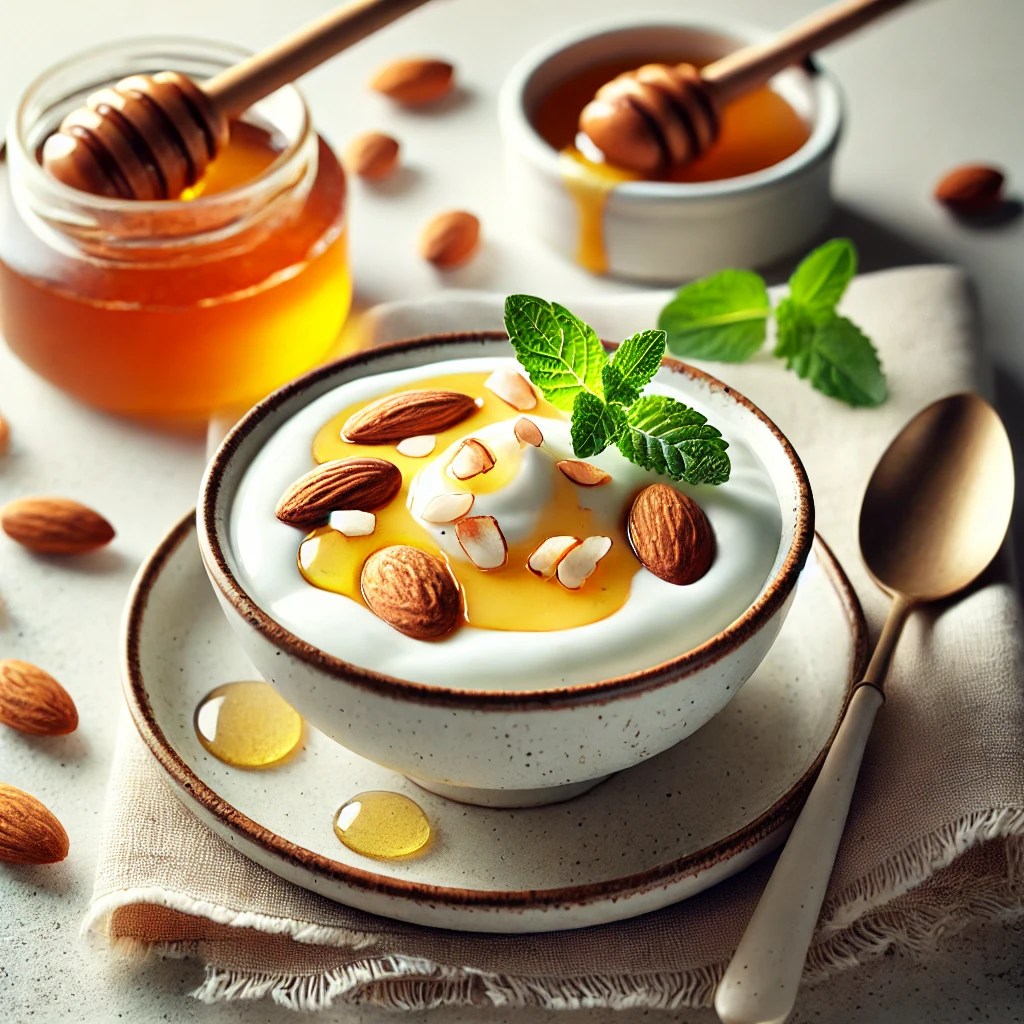
a. Greek Yogurt with Honey and Almonds 🍯🍶
This snack is rich in protein and healthy fats, making it a perfect choice for curbing hunger in the afternoon.
- Ingredients:
- 1/2 cup plain Greek yogurt
- 1 tablespoon honey
- 1 tablespoon slivered almonds
- Instructions:
- Top the Greek yogurt with honey and almonds. Enjoy!
b. Apple Slices with Peanut Butter 🍏🥜
This classic snack is quick to prepare and provides a great mix of fiber, protein, and healthy fats.
- Ingredients:
- 1 apple, sliced
- 2 tablespoons natural peanut butter
- Instructions:
- Dip the apple slices in peanut butter and enjoy a tasty, satisfying snack.
6. Healthy Desserts to Satisfy Your Sweet Tooth 🍨
You don’t have to give up dessert to eat healthy! Here are two healthy dessert recipes that are both delicious and guilt-free.
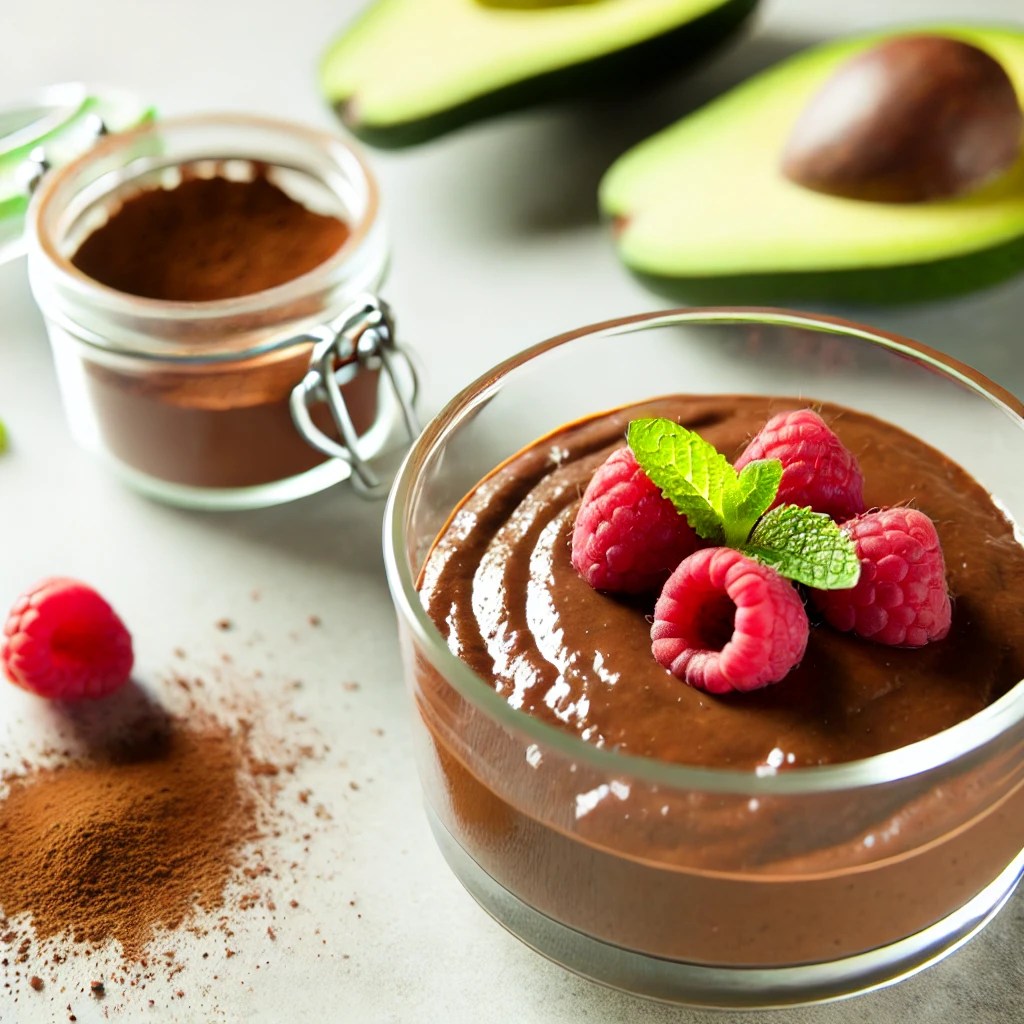
a. Chocolate Avocado Pudding 🍫🥑
This creamy dessert is packed with healthy fats from avocado and is naturally sweetened with honey.
- Ingredients:
- 1 ripe avocado
- 2 tablespoons unsweetened cocoa powder
- 2 tablespoons honey or maple syrup
- 1/4 cup almond milk
- Instructions:
- Blend all the ingredients in a food processor until smooth and creamy.
- Serve chilled and enjoy a rich, chocolatey dessert that’s good for you.
b. Banana Oat Cookies 🍪🍌
These cookies are naturally sweetened with bananas and make for a healthy, gluten-free dessert.
- Ingredients:
- 2 ripe bananas
- 1 cup rolled oats
- 1/4 cup dark chocolate chips (optional)
- Instructions:
- Preheat the oven to 350°F (175°C).
- Mash the bananas in a bowl and stir in the oats and chocolate chips.
- Scoop spoonfuls of the mixture onto a baking sheet and flatten slightly.
- Bake for 10-12 minutes until golden brown.
These guilt-free cookies are perfect for an afternoon snack or a sweet treat after dinner.
7. Weekly Meal Plans for Busy Lifestyles 🗓️
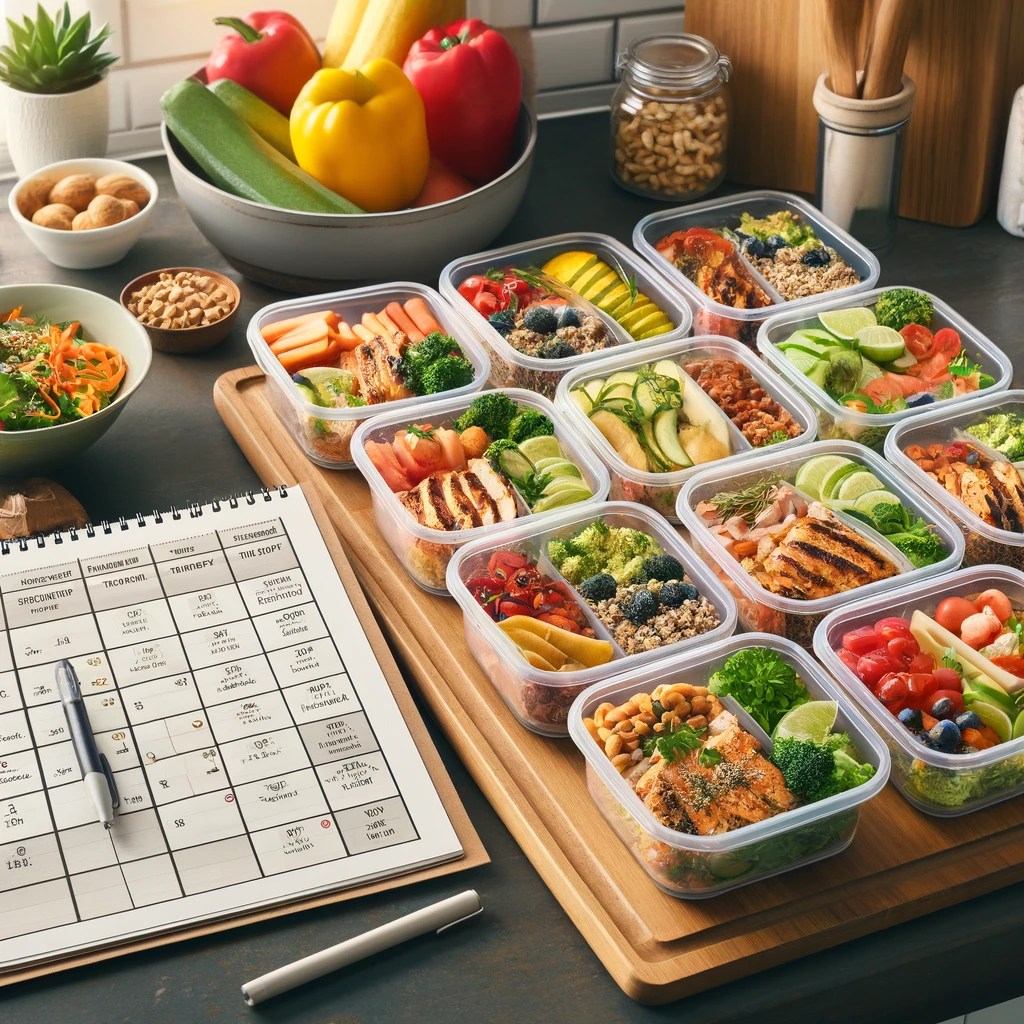
Life gets busy, but that doesn’t mean your nutrition has to suffer. With a well-structured weekly meal plan, you can save time, reduce stress, and ensure you’re eating healthy meals even on your busiest days. The key to meal planning is preparation and balance. In this section, we’ll outline an easy-to-follow weekly meal plan that includes breakfast, lunch, dinner, and snacks to keep you fueled throughout the week.
a. The Benefits of Meal Planning for a Busy Schedule 🌟
1. Saves Time and Reduces Stress: When you plan your meals ahead of time, you won’t need to spend extra minutes each day figuring out what to cook. Instead, you can just grab what you’ve already prepared and get on with your day.
2. Helps You Stick to Healthy Eating Habits: With a plan in place, you’re less likely to resort to unhealthy fast food or takeout. Meal planning ensures you have nutritious meals ready to go, preventing impulsive eating decisions that don’t align with your health goals.
3. Saves Money: When you plan your meals, you can buy exactly what you need in the right quantities, which cuts down on food waste and makes your grocery shopping more efficient.
b. Sample Weekly Meal Plan for Busy Individuals 📋
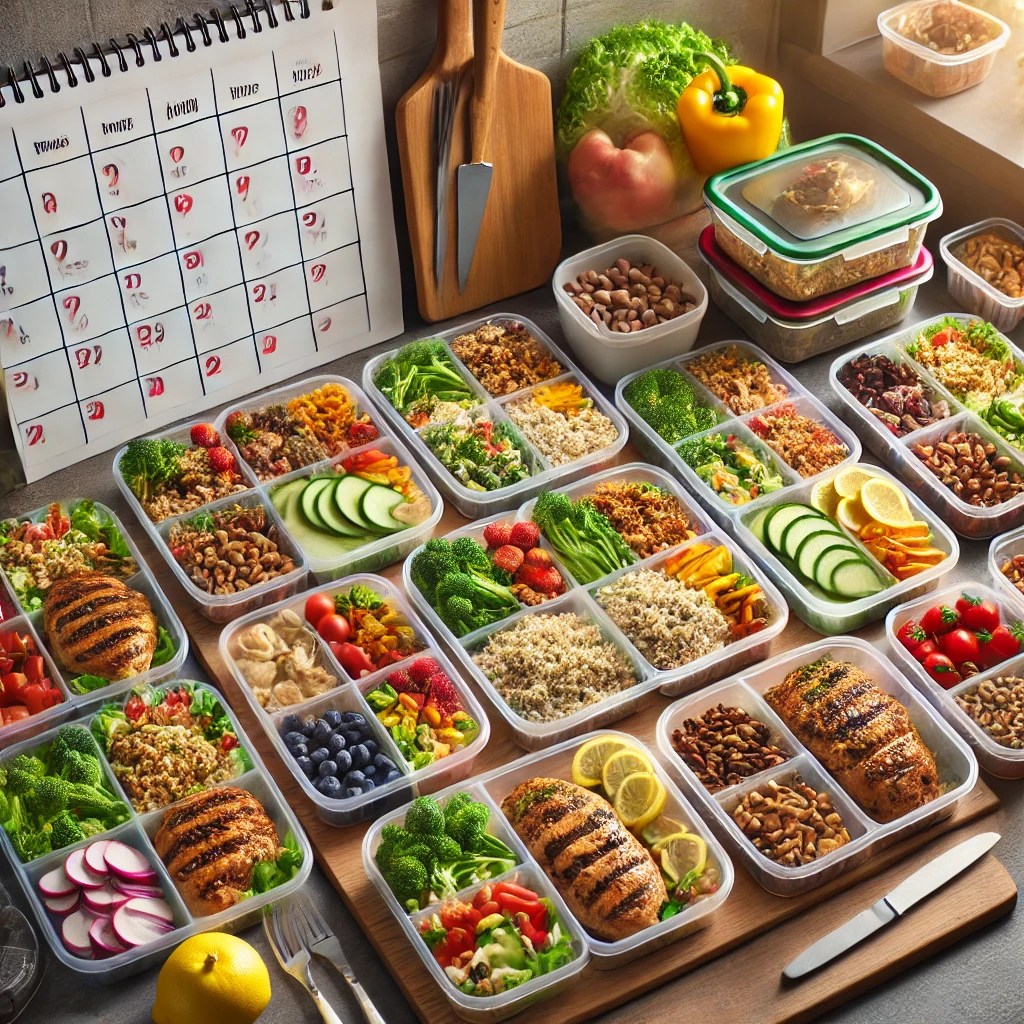
Here’s a sample weekly meal plan that balances protein, healthy fats, and complex carbs while being easy to prep in advance.
Day 1:
- Breakfast: Overnight oats with chia seeds and blueberries (prep the night before).
- Lunch: Quinoa salad with grilled chicken (prep for 2-3 days in advance).
- Dinner: Baked salmon with roasted sweet potatoes and steamed broccoli (make enough for leftovers).
Day 2:
- Breakfast: Spinach and feta omelet (quick and easy to cook in the morning).
- Lunch: Chickpea salad with lemon and parsley (make a large batch for multiple days).
- Dinner: Stir-fried tofu with brown rice and veggies (meal prep on the weekend for the week).
Day 3:
- Breakfast: Greek yogurt with honey, almonds, and sliced bananas.
- Lunch: Turkey and veggie lettuce wraps (prep the night before).
- Dinner: Grilled chicken with quinoa and sautéed spinach.
8. Meal Prepping for Weight Loss 🥗⚖️
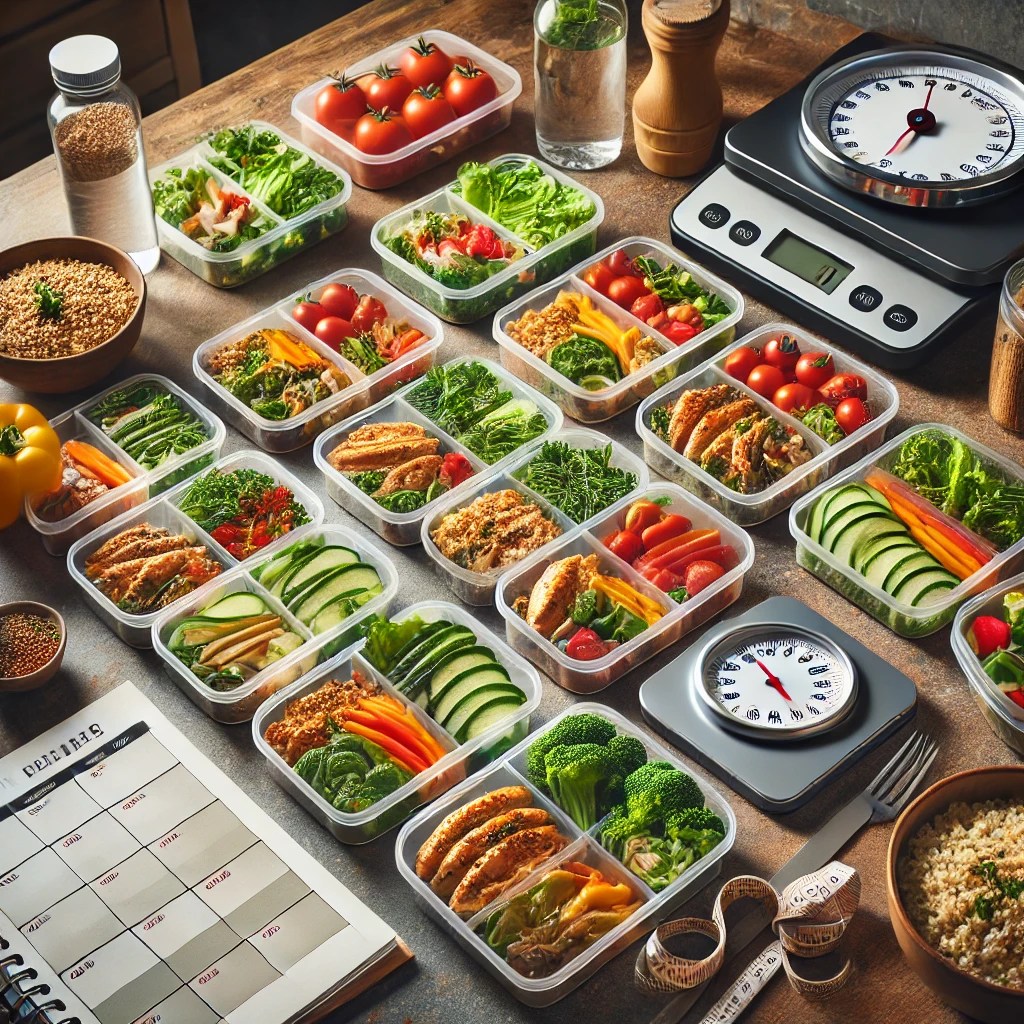
Meal prepping is one of the most effective strategies for weight loss. By controlling your portion sizes, you can ensure that you’re eating the right amount of calories and nutrients without the temptation of oversized portions or unhealthy snacks. This section will help you understand how to approach meal prepping with weight loss in mind, providing a few meal ideas that are both delicious and low in calories.
a. The Benefits of Meal Prepping for Weight Loss 📉
1. Portion Control: When you prep your meals in advance, you control exactly what goes into your food and how much you’re eating. This helps prevent overeating and ensures you’re sticking to your calorie goals.
2. Reduces Impulsive Eating: One of the biggest challenges in weight loss is controlling cravings and impulsive eating. Having pre-prepared meals ready to go eliminates the temptation to grab fast food or unhealthy snacks.
3. Encourages Nutrient Balance: Planning your meals ahead of time allows you to ensure you’re getting the right balance of macronutrients (proteins, carbs, and fats), which is essential for healthy weight loss.
b. Easy Meal Prep Recipes for Weight Loss 🥙
Here are a few weight-loss-friendly meal prep ideas that you can batch-cook and store for the week:
- Grilled Chicken with Roasted Vegetables:
- Ingredients:
- 4 chicken breasts
- 2 cups broccoli florets
- 2 cups diced sweet potatoes
- 1 tablespoon olive oil, salt, and pepper for seasoning
- Instructions: Grill the chicken breasts until fully cooked. Meanwhile, roast the vegetables in the oven at 400°F (200°C) for 25-30 minutes. Divide everything into meal containers for easy grab-and-go lunches.
- Ingredients:
- Vegetarian Lentil Soup:
- Ingredients:
- 1 cup lentils, 1 diced carrot, 1 diced celery stalk, 1 onion, 2 garlic cloves, 4 cups vegetable broth.
- Instructions: Sauté the onion, garlic, carrot, and celery until soft. Add the lentils and broth, bring to a boil, then simmer for 25-30 minutes. Portion into containers for the week.
- Ingredients:
- Turkey Meatballs with Zucchini Noodles:
- Ingredients:
- 1 pound ground turkey, 1 egg, 1/4 cup breadcrumbs, 1 teaspoon Italian seasoning, 2 zucchinis.
- Instructions: Combine the turkey, egg, breadcrumbs, and seasoning into small meatballs. Bake at 375°F for 20 minutes. Spiralize the zucchinis into noodles and sauté briefly. Divide into meal prep containers.
- Ingredients:
Tip: Batch cooking on Sundays can set you up for success during the workweek. Use glass containers to store meals and keep them fresh.
9. Balanced Macros for Optimal Health 🍗🥑🍞
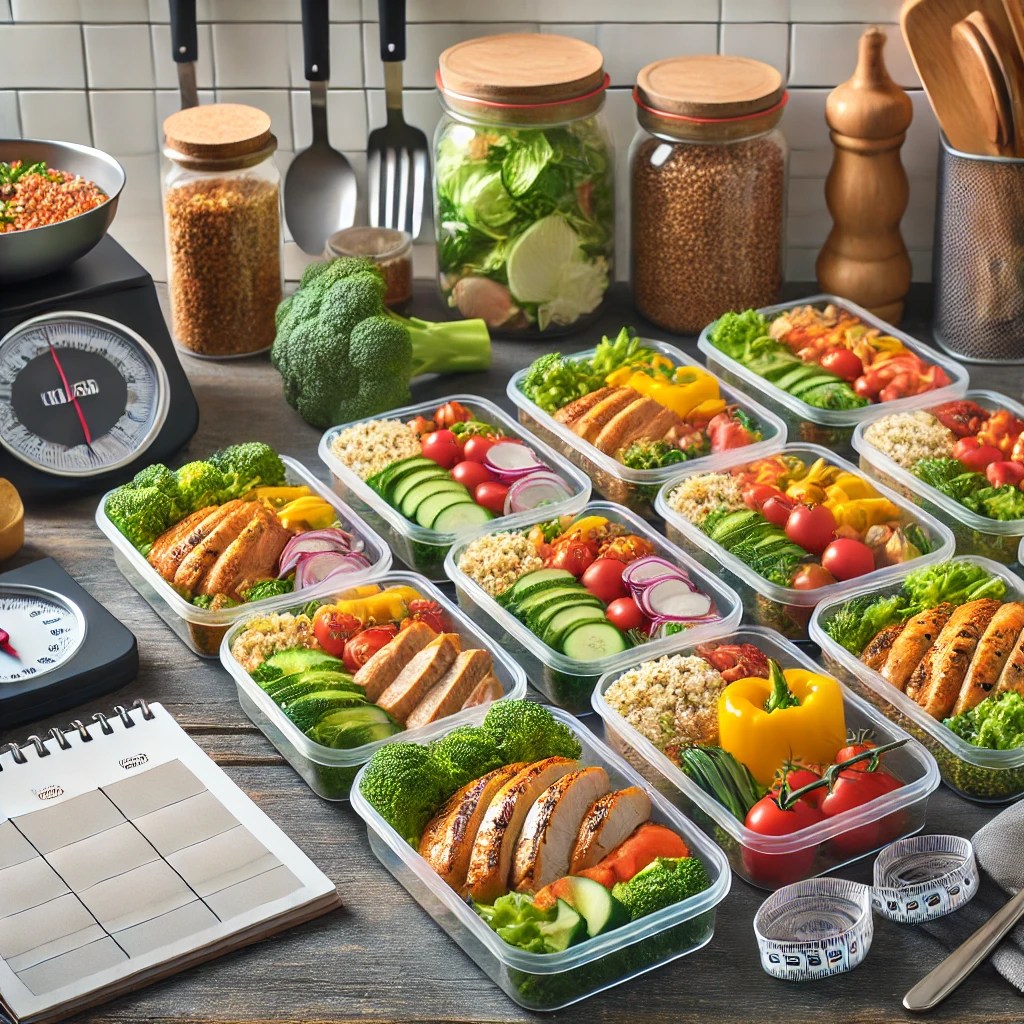
When planning your meals, it’s important to consider the balance of macronutrients—proteins, fats, and carbohydrates—because each plays a crucial role in your body’s functioning. A well-balanced diet that includes all three macros can improve energy levels, support muscle growth, and maintain overall health.
a. Understanding Macronutrients 📊
1. Protein: Helps build and repair tissues, including muscles. Protein is also key to maintaining a healthy metabolism and supporting immune function. Foods rich in protein include chicken, fish, eggs, beans, lentils, and tofu.
2. Carbohydrates: Carbs are the body’s main source of energy. Focus on complex carbohydrates like whole grains, sweet potatoes, and vegetables that provide a slow, steady release of energy.
3. Fats: Healthy fats support brain function, protect your organs, and help with the absorption of vitamins. Opt for unsaturated fats from sources like avocados, olive oil, nuts, and fatty fish like salmon.
b. How to Create Macro-Balanced Meals ⚖️
To create balanced meals, aim for the following breakdown on your plate:
- 40% carbs (preferably from vegetables and whole grains)
- 30% protein
- 30% healthy fats
Here’s an example of a macro-balanced meal:
- Grilled Salmon: Rich in protein and healthy fats.
- Quinoa: A complex carb that provides fiber and slow-digesting energy.
- Avocado Salad: Adds healthy fats, along with vitamins and minerals.
A well-balanced plate will keep you satisfied, support your fitness goals, and ensure you’re getting the nutrients your body needs.
10. Low-Carb Meal Plans for Sustainable Energy 🥩🥦
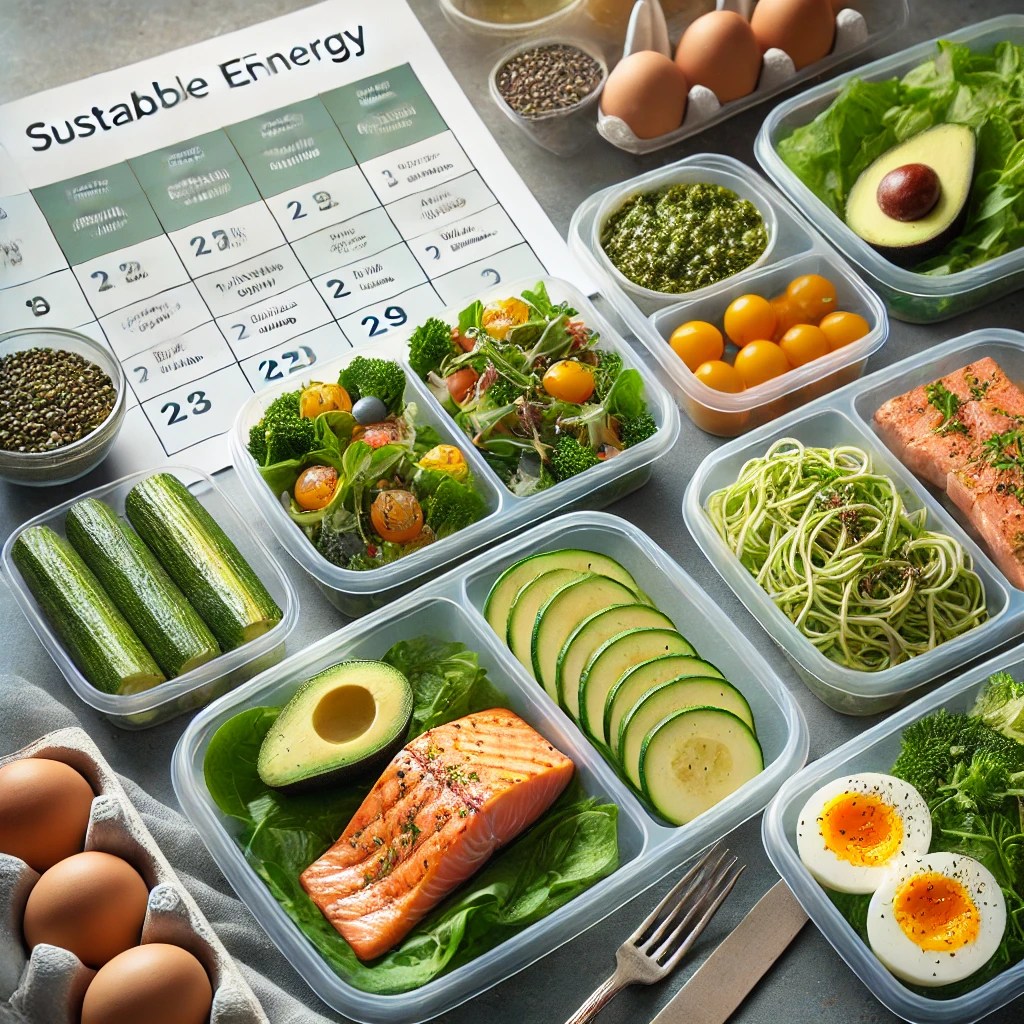
Low-carb diets can be highly effective for those looking to lose weight or improve blood sugar levels. These diets focus on reducing the intake of refined carbohydrates (like white bread and pasta) and replacing them with healthy fats and proteins. This section will guide you through creating a low-carb meal plan that sustains your energy throughout the day.
a. Benefits of a Low-Carb Diet 💡
1. Steady Energy Levels: Unlike high-carb diets that can lead to energy spikes and crashes, a low-carb diet provides sustained energy by focusing on fats and proteins that digest more slowly.
2. Supports Weight Loss: By reducing carb intake, the body turns to fat for energy, leading to fat loss over time.
3. Improves Blood Sugar Control: Reducing refined carbohydrates helps stabilize blood sugar levels, making it beneficial for individuals with diabetes or insulin resistance.
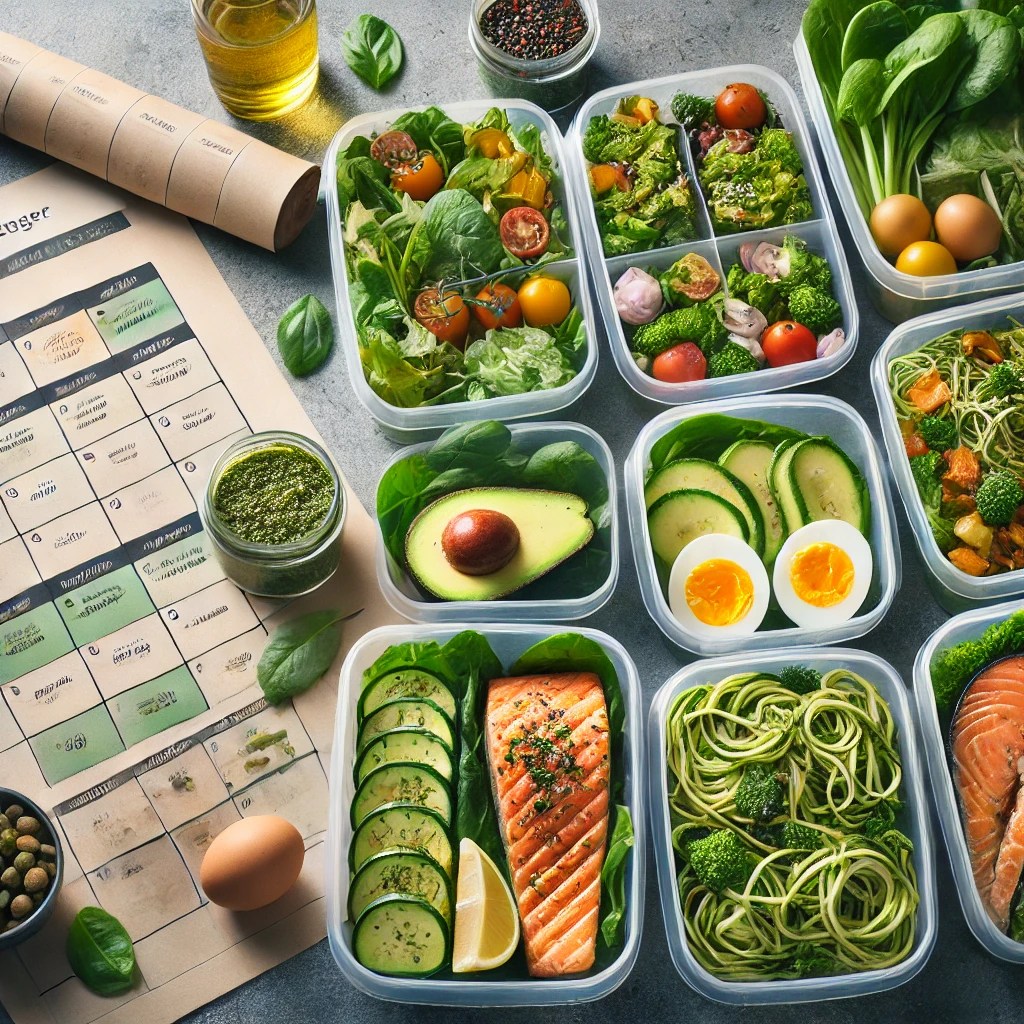
b. Sample Low-Carb Meal Plan 🥒
Here’s a simple low-carb meal plan that you can follow:
- Breakfast: Scrambled eggs with spinach and avocado.
- Lunch: Grilled chicken Caesar salad (skip the croutons, add extra veggies).
- Snack: Almonds and a handful of mixed seeds.
- Dinner: Baked salmon with roasted asparagus and a side of sautéed mushrooms.
Tip: Replace pasta with zucchini noodles or cauliflower rice to keep carb intake low while still enjoying hearty meals.
11. Healthy Plant-Based Meal Plans 🌱
Plant-based diets are increasingly popular due to their health benefits and positive impact on the environment. A plant-based meal plan doesn’t have to be restrictive—it can be varied, filling, and incredibly nutritious. This section will walk you through how to create delicious plant-based meals packed with protein, fiber, and healthy fats.
a. Benefits of a Plant-Based Diet 🌍
1. Rich in Nutrients: A plant-based diet is typically high in fiber, vitamins, minerals, and antioxidants. These nutrients support heart health, improve digestion, and reduce inflammation.
2. Supports Heart Health: Research shows that plant-based diets are linked to a lower risk of heart disease due to their focus on whole foods like vegetables, legumes, fruits, and whole grains.
3. Environmentally Friendly: Plant-based eating is not only beneficial for your health but also for the planet. Eating more plants and fewer animal products reduces your carbon footprint.
b. Example of a Plant-Based Meal Plan 🥑
Here’s a sample vegan meal plan that provides plenty of protein and essential nutrients:
- Breakfast: Smoothie bowl with almond milk, spinach, banana, and hemp seeds.
- Lunch: Lentil and quinoa salad with roasted vegetables and tahini dressing.
- Snack: Hummus with cucumber and carrot sticks.
- Dinner: Chickpea and sweet potato curry served with brown rice.
Tip: For a complete protein source, combine different plant-based foods like legumes and whole grains (e.g., rice and beans) in your meals.
12. High-Protein Meal Plans for Muscle Building 💪
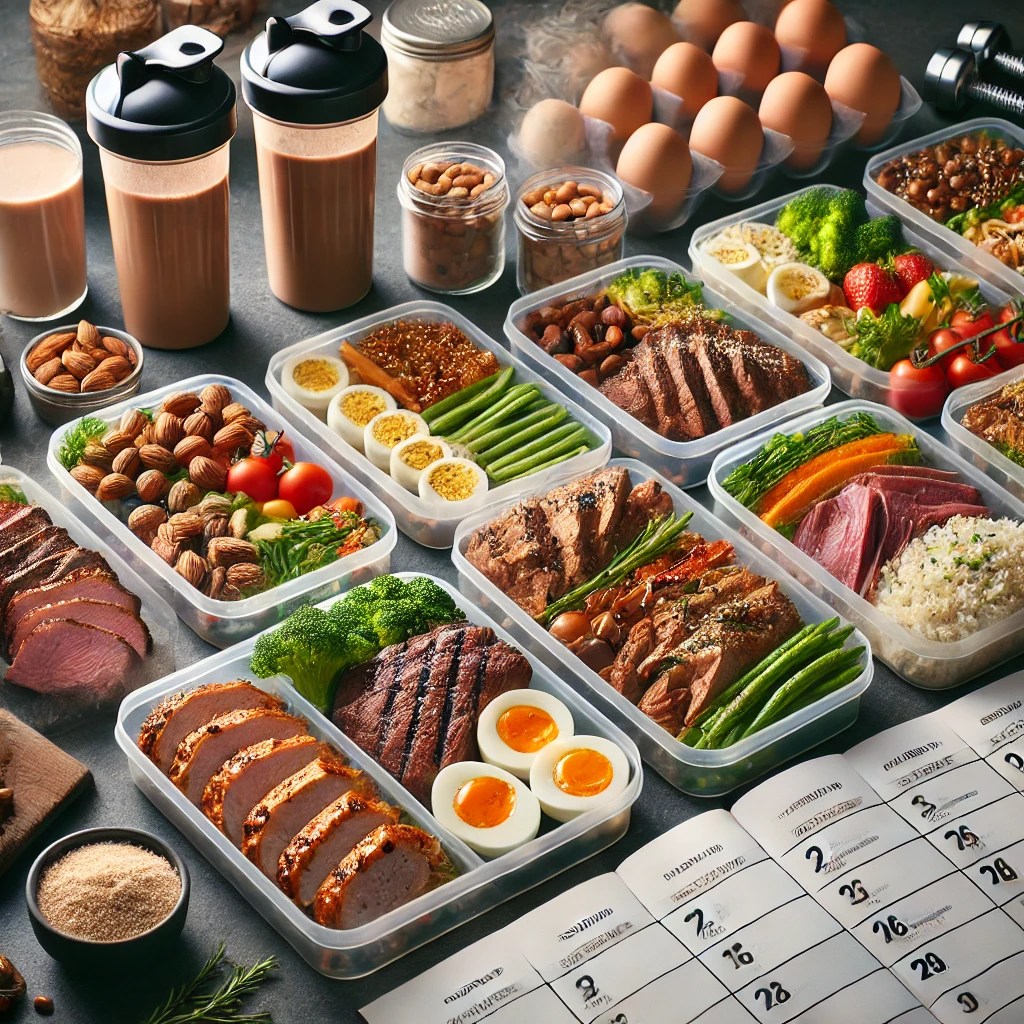
When it comes to building muscle, protein is the star of the show. Whether you’re lifting weights, running, or engaging in any form of exercise, your muscles require protein to recover and grow. High-protein meal plans are essential not only for muscle building but also for fat loss and overall strength. This section will cover how to create a high-protein meal plan that fuels your body and supports muscle development.
a. Why High-Protein Meals Matter for Muscle Growth 🦸♂️
1. Muscle Repair and Recovery: After a workout, your muscles need protein to repair the small tears created during exercise. This process is essential for muscle growth. Protein provides the building blocks (amino acids) that help your muscles recover stronger than before.
2. Boosts Metabolism: Protein has a higher thermic effect compared to carbs and fats, meaning your body uses more energy to digest and metabolize protein. This boosts your metabolism and helps with fat burning, making high-protein diets beneficial for both muscle gain and fat loss.
3. Keeps You Full: Protein helps regulate your hunger hormones, keeping you fuller for longer. This is crucial for maintaining a caloric deficit if you’re aiming for fat loss alongside muscle gain.
b. The Right Amount of Protein for Muscle Building 🧠
For muscle building, most experts recommend consuming around 1.6 to 2.2 grams of protein per kilogram of body weight per day. If you’re heavily involved in weight training or other strenuous activities, aim for the higher end of this range.
For example:
- A 70kg person would need between 112 to 154 grams of protein per day.
Sources of Protein: While animal-based proteins (like chicken, fish, eggs, and dairy) are often considered complete proteins (containing all nine essential amino acids), plant-based options like lentils, beans, and tofu can also help meet your protein needs when combined with other foods.
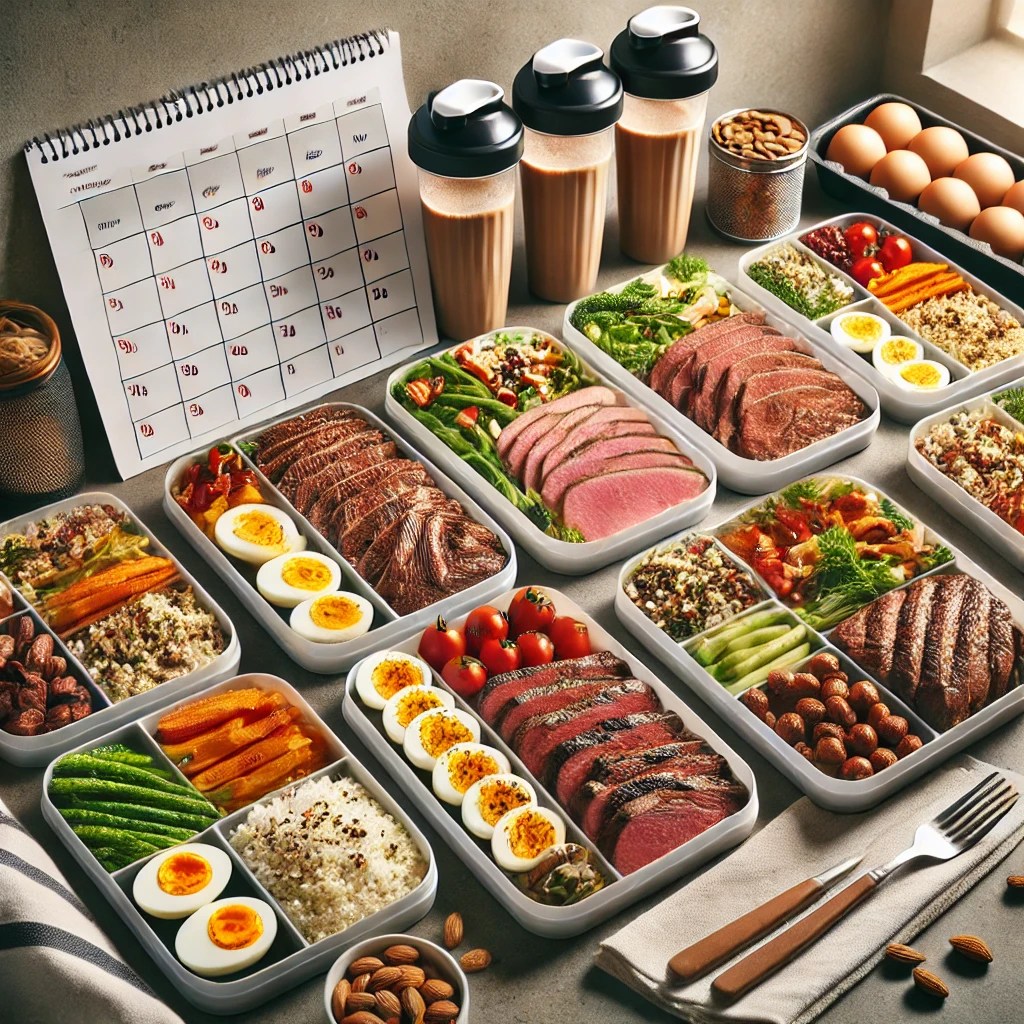
c. Sample High-Protein Meal Plan for Muscle Building 🏋️♀️
This high-protein meal plan provides a balanced mix of protein, healthy fats, and complex carbohydrates to support muscle growth and overall energy levels:
Day 1:
- Breakfast: Scrambled eggs with turkey bacon and a side of avocado.
- Protein: Eggs provide 6 grams each, while turkey bacon adds around 12 grams of protein.
- Snack: Greek yogurt with almonds and chia seeds.
- Protein: Greek yogurt has about 15 grams of protein per serving.
- Lunch: Grilled chicken breast (6 oz) with quinoa and steamed vegetables.
- Protein: Chicken breast provides about 45 grams of protein, and quinoa adds another 8 grams.
- Snack: Cottage cheese with cucumber slices.
- Protein: Cottage cheese offers 15 grams of protein per half-cup serving.
- Dinner: Salmon fillet (5 oz) with brown rice and broccoli.
- Protein: Salmon offers around 30 grams of protein, while brown rice adds 5 grams.
- Post-Workout Shake: Whey protein mixed with water or almond milk.
- Protein: A scoop of whey protein provides around 20-25 grams.
d. Vegetarian and Vegan High-Protein Options 🌱
If you’re following a vegetarian or vegan diet, you can still meet your protein needs with the right food combinations. Here are some plant-based protein options:
- Tempeh: One cup contains about 30 grams of protein.
- Lentils: One cup provides 18 grams of protein.
- Chickpeas: One cup of chickpeas offers around 15 grams of protein.
- Tofu: Half a block of tofu contains about 20 grams of protein.
- Seitan: A common meat substitute, seitan has about 25 grams of protein per 3-ounce serving.
Here’s a sample vegan high-protein meal:
- Breakfast: Tofu scramble with spinach and avocado.
- Lunch: Lentil and quinoa salad with roasted vegetables.
- Dinner: Chickpea and sweet potato curry with brown rice.
This plant-based meal plan can provide 100+ grams of protein per day if paired with high-protein snacks like hummus with veggies, peanut butter on toast, or protein-rich smoothies.
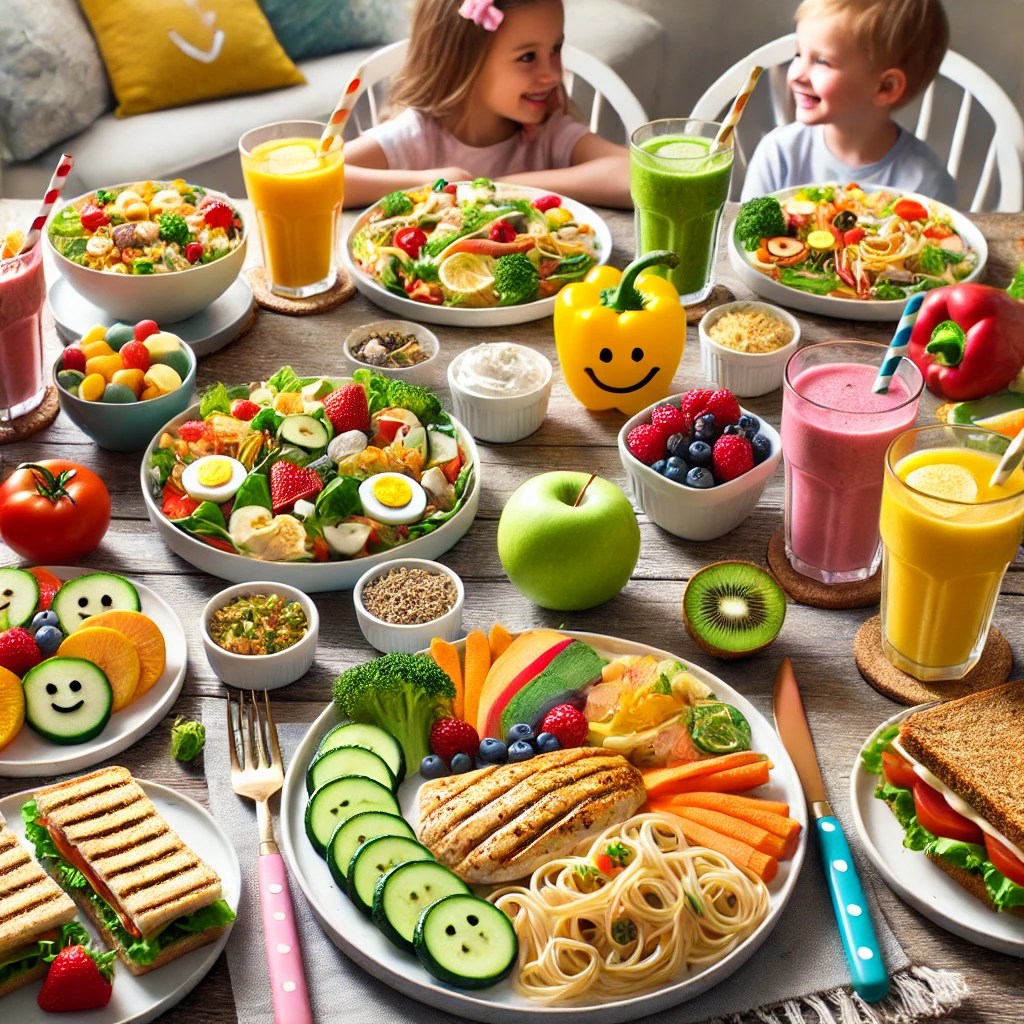
13. Healthy Meals for Kids and Families 👨👩👧👦
Planning healthy meals that your kids will actually enjoy can be a challenge, but with the right approach, you can create nutritious and fun meals that everyone in the family will love. In this section, we’ll explore family-friendly meal plans that are both healthy and easy to make. These meals focus on whole foods, balanced nutrition, and flavors that appeal to both adults and children.
a. Why Nutrition is Key for Growing Kids 🌱
Children need a variety of nutrients to support their growth, development, and energy levels. Here are some key nutrients kids need daily:
- Protein: For growth and repair of tissues.
- Calcium: For strong bones and teeth.
- Iron: To support brain development and energy levels.
- Vitamins A, C, and D: For immune health, skin, and vision.
One of the biggest challenges parents face is finding meals that are nutritious and appealing to kids who might be picky eaters. The goal is to create meals that are both healthy and delicious while encouraging kids to try new foods.
b. Kid-Friendly Healthy Recipes 🥪
Here are some easy recipes that are packed with nutrients and sure to be a hit with the whole family.
- Mini Chicken and Veggie Wraps 🌯
- Ingredients:
- 2 grilled chicken breasts, shredded
- 1 cup shredded carrots and cucumber
- Whole-wheat tortillas
- 1/4 cup hummus
- Instructions:
- Spread hummus on the tortilla.
- Add shredded chicken and veggies, then roll up the tortilla to make a wrap.
- Slice into smaller sections for kids. Serve with a side of sliced apples.
- Ingredients:
- Vegetable Mac and Cheese 🧀🥦
- Ingredients:
- Whole-wheat pasta
- 1 cup steamed broccoli
- 1/2 cup shredded cheese
- 1/2 cup pureed sweet potato (optional)
- Instructions:
- Cook the pasta according to package instructions.
- Stir in the steamed broccoli and sweet potato puree.
- Mix in the cheese and let it melt into a creamy sauce. Serve warm.
- Ingredients:
- Healthy Chicken Nuggets 🍗
- Ingredients:
- 1 pound chicken breast, cut into bite-sized pieces
- 1/2 cup whole-wheat breadcrumbs
- 1 egg, beaten
- Instructions:
- Dip the chicken pieces in the beaten egg, then coat with breadcrumbs.
- Bake at 400°F (200°C) for 15-20 minutes until crispy.
- Serve with a side of roasted sweet potato fries and a small salad.
- Ingredients:
c. Sample Family Meal Plan 🗓️
Day 1:
- Breakfast: Oatmeal with fresh berries and honey (add a sprinkle of cinnamon for flavor).
- Lunch: Mini chicken and veggie wraps with sliced apples.
- Dinner: Vegetable mac and cheese with a side of roasted chicken.
Day 2:
- Breakfast: Whole-wheat pancakes with sliced bananas.
- Lunch: Turkey and cheese sandwiches with cucumber slices and hummus.
- Dinner: Baked salmon with quinoa and roasted carrots.
For snacks, keep things simple with options like yogurt with granola, apple slices with peanut butter, or homemade trail mix.
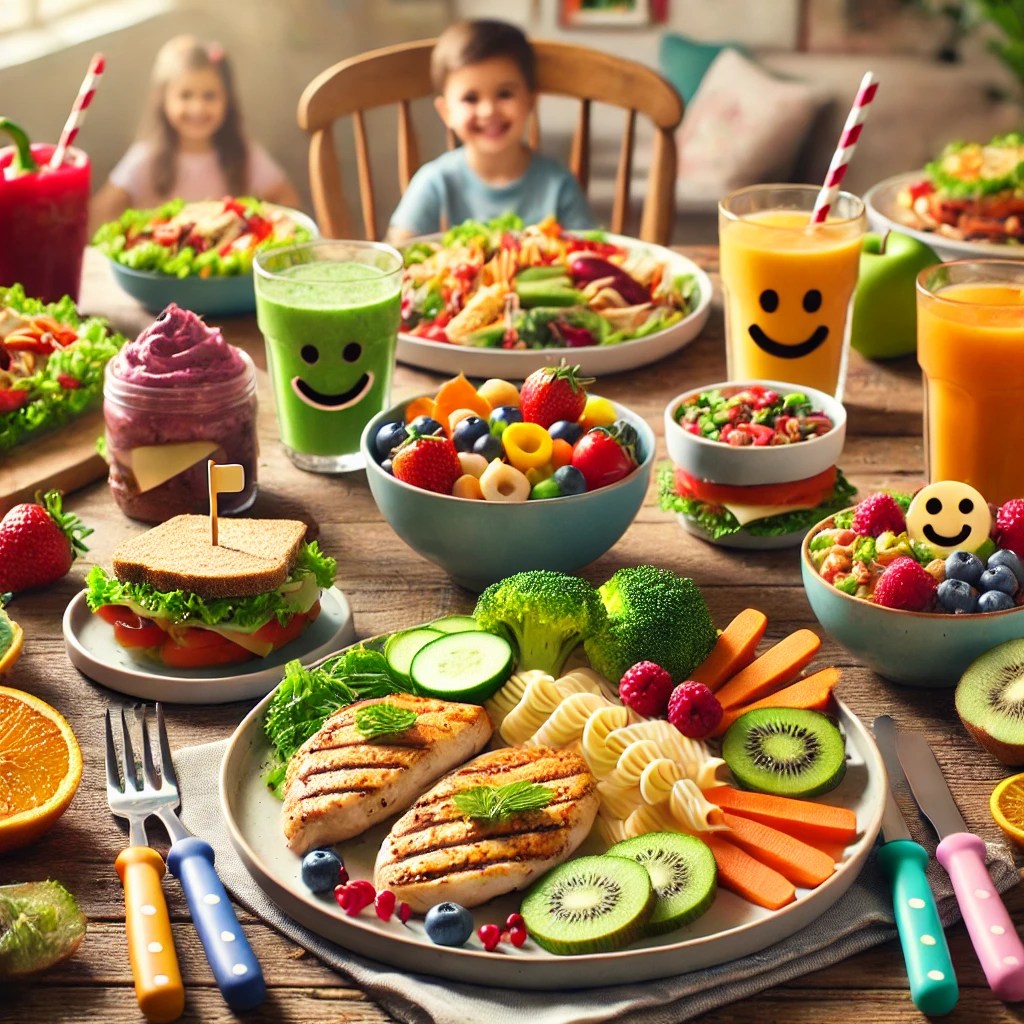
d. How to Get Kids Involved in Meal Prep 👩🍳
One of the best ways to encourage children to try new foods is to get them involved in the kitchen. Here are some ways to make meal prep fun for kids:
- Let them choose veggies: Bring your kids to the grocery store and let them pick out a new vegetable to try.
- Create DIY meals: Set up a taco, pizza, or salad bar and let your kids assemble their own meals with healthy ingredients.
- Teach simple tasks: Depending on their age, kids can help with washing veggies, stirring ingredients, or setting the table.
14. Budget-Friendly Healthy Meal Plans 💵
Eating healthy doesn’t have to break the bank. With smart planning and a focus on whole foods, you can create nutritious meals that are affordable and delicious. This section will guide you through budget-friendly meal planning, focusing on cheap but nutritious ingredients that can stretch across multiple meals.
a. Tips for Eating Healthy on a Budget 🛒
1. Buy in Bulk: Purchasing items like whole grains (rice, quinoa), beans, lentils, and oats in bulk can save you money over time. These foods are nutrient-dense, filling, and can be used in a variety of recipes.
2. Shop Seasonally: Fruits and vegetables that are in season tend to be cheaper and fresher. Visit local farmers’ markets or check the produce section for seasonal deals. For example, root vegetables like sweet potatoes and carrots are often more affordable in the fall and winter.
3. Use Frozen Vegetables: Frozen veggies are just as nutritious as fresh ones, and they last longer, which reduces food waste. Stock up on frozen peas, broccoli, and spinach to use in soups, stir-fries, and casseroles.
4. Plan for Leftovers: Cooking large batches of meals means you can use leftovers for lunches or freeze them for future dinners. This helps cut down on both time and food costs.
b. Budget-Friendly Recipes 🍽️
Here are some cheap, healthy meal ideas that are easy to make and kind to your wallet.
- Vegetable Lentil Soup 🥣
- Ingredients:
- 1 cup dried lentils
- 1 diced onion
- 2 carrots, chopped
- 2 garlic cloves
- 4 cups vegetable broth
- Instructions: Sauté the onions, carrots, and garlic in olive oil until soft. Add the lentils and broth, bring to a boil, then simmer for 30 minutes. Store leftovers for lunch the next day.
- Ingredients:
- Black Bean and Rice Burritos 🌯
- Ingredients:
- 1 can black beans, drained
- 1 cup cooked brown rice
- Whole-wheat tortillas
- Salsa and shredded lettuce
- Instructions: Mix the beans and rice, then fill each tortilla with the mixture. Top with salsa and lettuce. Roll up and enjoy!
- Ingredients:
- Baked Sweet Potatoes with Chickpeas 🍠
- Ingredients:
- 2 large sweet potatoes
- 1 can chickpeas, drained
- Olive oil, salt, and pepper
- Instructions: Bake the sweet potatoes at 400°F for 40 minutes. Meanwhile, toss the chickpeas with olive oil and roast for 15 minutes. Serve the sweet potatoes topped with roasted chickpeas.
- Ingredients:
Conclusion: Embrace Healthy Eating for Long-Term Success 🌿
Achieving your health and fitness goals doesn’t have to be a complicated or restrictive process. By incorporating balanced, nutrient-rich meals into your daily routine, you can fuel your body, improve your overall well-being, and enjoy delicious food along the way. From high-protein meal plans to plant-based options, and from family-friendly meals to budget-conscious recipes, the key is finding what works for you and sticking to it with consistency.
Meal planning and prep strategies allow you to save time, reduce stress, and stay committed to your health goals, whether you’re focused on building muscle, managing your weight, or simply eating better. By experimenting with different recipes and creating meal plans tailored to your needs, you can make healthy eating a sustainable, enjoyable part of your lifestyle.
Remember, it’s all about balance. Prioritize whole foods, aim for balanced macros, and stay flexible with your meal choices. Most importantly, enjoy the process of nourishing your body and feeling your best every day!

