
When it comes to fitness and wellness, it’s not just about physical strength and endurance—your mind plays an equally important role in your overall well-being. A healthy mind leads to a healthy body, and vice versa. In this guide, we’ll explore the various aspects of mind and body wellness, covering mindfulness, stress relief, fitness, and self-care practices that work together to promote balance and energy in your daily life.
By integrating mental and physical health practices, you can live a more fulfilling life with reduced stress, greater resilience, and a body that feels good inside and out.

1. The Importance of Mind-Body Wellness 🌱
Mind-body wellness is the practice of nurturing both mental and physical health to achieve optimal well-being. Often, we focus solely on fitness goals—strength, endurance, and flexibility—without paying attention to how our mental state affects these outcomes.
a. Mental and Physical Health Connection 🧠💪
There’s a significant connection between mental health and physical health. For example, chronic stress can lead to physical ailments like headaches, muscle tension, digestive issues, and fatigue. On the flip side, regular physical activity boosts mental health by releasing endorphins, reducing anxiety, and improving mood.
By focusing on mind-body practices, such as mindfulness meditation, yoga, and deep breathing exercises, you can lower cortisol levels (stress hormones) and improve both your emotional and physical well-being.
b. Benefits of a Holistic Approach 🌿
- Reduced Stress: Mindfulness and physical activity help in lowering stress levels and boosting resilience against future stressors.
- Improved Sleep: Mind-body practices improve the quality of sleep by calming the mind and releasing physical tension.
- Enhanced Immune Function: Research shows that people who practice mindfulness and exercise regularly have stronger immune systems.
- Increased Mental Clarity and Focus: Integrating mindfulness techniques into daily life helps enhance mental clarity, focus, and cognitive function.
Mind-body wellness allows you to approach fitness from a place of balance, understanding that your mental state is just as important as your physical routine.
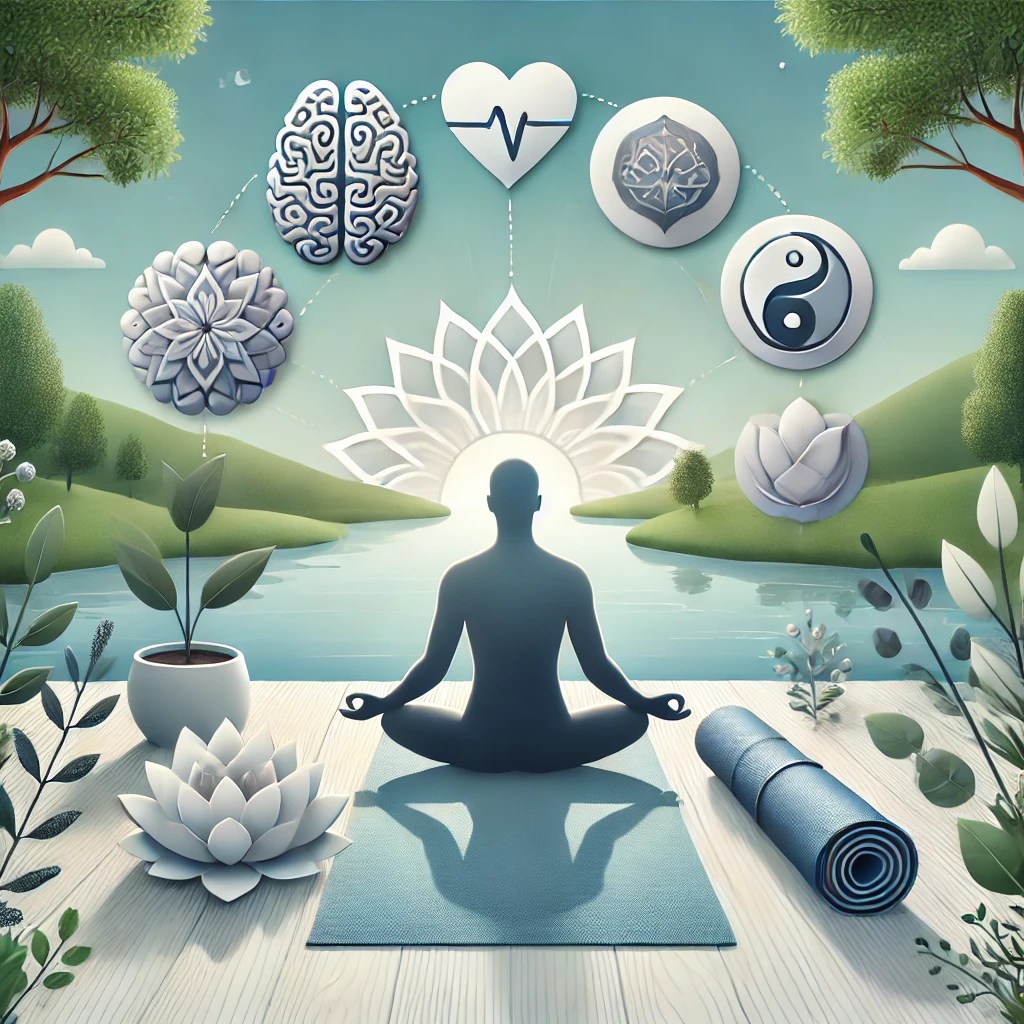
2. Understanding Mindfulness for Better Well-Being 🧘♂️
Mindfulness is the practice of staying present and fully engaged in the current moment without judgment. By cultivating mindfulness, you reduce stress, increase self-awareness, and promote mental clarity.
a. What is Mindfulness? 🧘♀️
Mindfulness encourages you to focus on the present moment, becoming aware of your thoughts, feelings, and sensations without being overwhelmed by them. It allows you to take a step back and observe life more objectively, which can be incredibly useful for handling stress, anxiety, and emotional turmoil.
Benefits of Mindfulness:
- Reduced Anxiety: Mindfulness helps manage anxious thoughts by bringing your attention to the present moment rather than worrying about the future.
- Improved Concentration: By practicing mindfulness, you train your brain to focus better and stay on task.
- Emotional Regulation: Mindfulness encourages emotional intelligence, helping you respond to situations calmly rather than reacting impulsively.
b. Simple Mindfulness Techniques 💡
If you’re new to mindfulness, start with these easy-to-practice techniques:
- Body Scan Meditation: Lie down in a comfortable position and slowly focus on each part of your body, starting from your toes and moving upwards. Notice how each area feels, releasing any tension as you move along.
- Breath Awareness: Close your eyes and bring your focus to your breathing. Pay attention to how your chest rises and falls, and how the air feels entering and leaving your nostrils. If your mind wanders, gently guide it back to your breath.
- 5-4-3-2-1 Grounding Technique: When feeling overwhelmed, name 5 things you see, 4 things you feel, 3 things you hear, 2 things you smell, and 1 thing you can taste. This technique brings you back to the present and calms anxiety.
Integrating mindfulness into your daily routine only takes a few minutes but can have lasting impacts on your mental and emotional health.
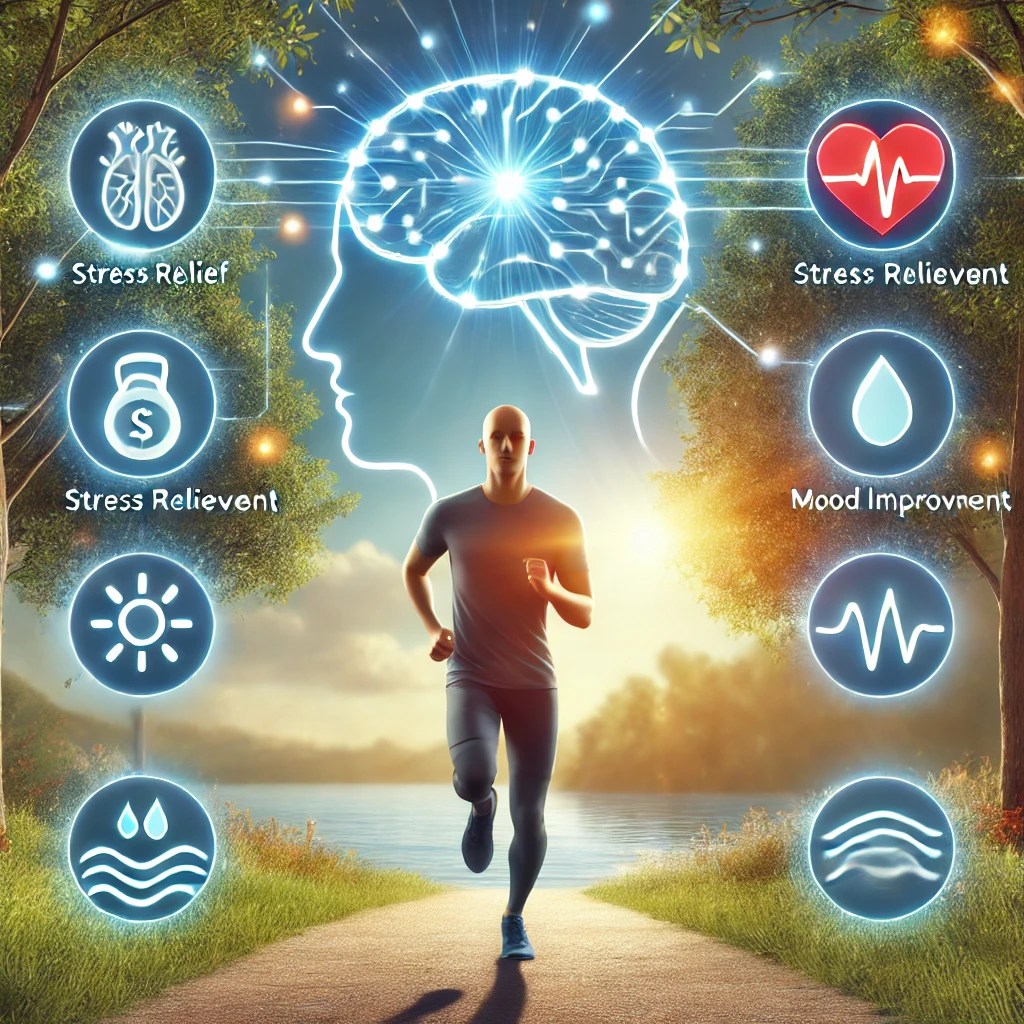
3. Fitness for the Mind: How Exercise Benefits Mental Health 🏋️♂️🧠
We often view exercise as a tool for improving physical health, but it plays an equally vital role in mental well-being. Exercise stimulates the production of endorphins, often called “feel-good hormones,” which naturally reduce stress and anxiety. Let’s explore how fitness positively impacts mental health.
a. The Science Behind Exercise and Mental Health ⚛️
Exercise has been shown to have numerous mental health benefits, including:
- Reducing Symptoms of Depression: Physical activity, especially aerobic exercise, has been proven to alleviate symptoms of depression by increasing endorphin levels and promoting neural growth in the brain.
- Boosting Brain Function: Regular exercise increases blood flow to the brain, improving cognitive function and memory.
- Reducing Stress: By lowering cortisol levels and promoting relaxation, exercise serves as a natural stress reliever.
- Improved Sleep Patterns: Exercise helps regulate your body’s circadian rhythms, promoting deeper, more restful sleep.
b. Best Forms of Exercise for Mental Health 🏃♀️
Not all exercises impact mental health in the same way. Here are some mental health-boosting exercises:
- Cardio (Running, Cycling, Swimming): Cardiovascular exercises release endorphins, reduce stress, and improve sleep quality. Running or brisk walking outdoors also helps you connect with nature, which enhances mental clarity and relaxation.
- Yoga: Yoga combines physical postures, breath control, and meditation, which makes it one of the best exercises for mind-body wellness. It reduces anxiety, improves flexibility, and enhances mental focus.
- Strength Training: Lifting weights not only builds muscle but also builds confidence. Strength training has been shown to reduce symptoms of anxiety and depression, while also improving body image and self-esteem.
- Tai Chi: This gentle form of exercise combines slow, flowing movements with deep breathing and meditation. It’s known to reduce stress, improve balance, and enhance mental calmness.
Regular exercise not only keeps your body fit but also sharpens your mind, making it an essential part of mind-body wellness.
4. Stress Management Techniques for a Balanced Life 🌿
Stress is an inevitable part of life, but chronic stress can negatively impact your mental and physical health. Learning how to manage stress through effective techniques is key to maintaining balance and wellness.
a. Why Managing Stress is Important 💭
Uncontrolled stress can lead to:
- Increased Cortisol Levels: Chronic stress causes high levels of cortisol, which leads to weight gain, sleep disturbances, and anxiety.
- Weakened Immune System: Stress weakens your body’s ability to fight infections, making you more susceptible to illness.
- Mental Exhaustion: Persistent stress drains your mental energy, making it harder to focus and function optimally.
b. Top Stress Relief Techniques 🧘♀️
Here are some proven stress management strategies that can help you regain balance:
- Deep Breathing Exercises: Controlled breathing techniques like diaphragmatic breathing and 4-7-8 breathing (inhale for 4 seconds, hold for 7 seconds, exhale for 8 seconds) can reduce your heart rate and calm your nervous system.
- Progressive Muscle Relaxation (PMR): This technique involves tensing and then relaxing each muscle group in your body. Start at your feet and work your way up to your head, noticing the difference between tension and relaxation.
- Journaling: Writing about your stressors can help you process emotions and understand your triggers. It also allows you to release pent-up emotions, leading to a calmer mental state.
- Mindful Walking: Take a break from your routine and go for a walk in nature, focusing on the sights, sounds, and sensations around you. This combination of movement and mindfulness provides a quick mental reset.
These stress relief techniques are easy to implement and can make a significant difference in how you handle daily stressors.

5. The Power of Meditation for Mental Clarity 🧘♂️✨
Meditation is an ancient practice that has gained popularity for its ability to reduce stress, improve focus, and promote emotional health. By practicing meditation regularly, you train your mind to stay calm and centered, no matter what challenges arise.
a. How Meditation Improves Mental Clarity 🧠
Meditation has been scientifically proven to:
- Increase Focus: Regular meditation strengthens your brain’s ability to focus, enhancing productivity and clarity.
- Reduce Rumination: Meditation helps break the cycle of overthinking and ruminating on negative thoughts.
- Promote Emotional Stability: Meditation encourages emotional regulation by helping you observe your thoughts and feelings without reacting impulsively.
b. Different Types of Meditation 🧘♀️
- Mindfulness Meditation: This form involves focusing on your breath and bringing your attention back to the present moment whenever your mind wanders.
- Loving-Kindness Meditation (Metta): In this practice, you focus on generating feelings of compassion and love for yourself and others. This helps reduce negative emotions and foster a sense of peace.
- Transcendental Meditation: This involves silently repeating a mantra (a word or phrase) for 15-20 minutes twice a day to achieve a deep state of relaxation and mental clarity.
How to Start a Meditation Practice:
- Find a quiet space and sit in a comfortable position.
- Set a timer for 5-10 minutes if you’re just starting out.
- Close your eyes, focus on your breath, and gently bring your mind back whenever it drifts.
Incorporating even a few minutes of meditation into your daily routine can transform your mental clarity and emotional well-being.
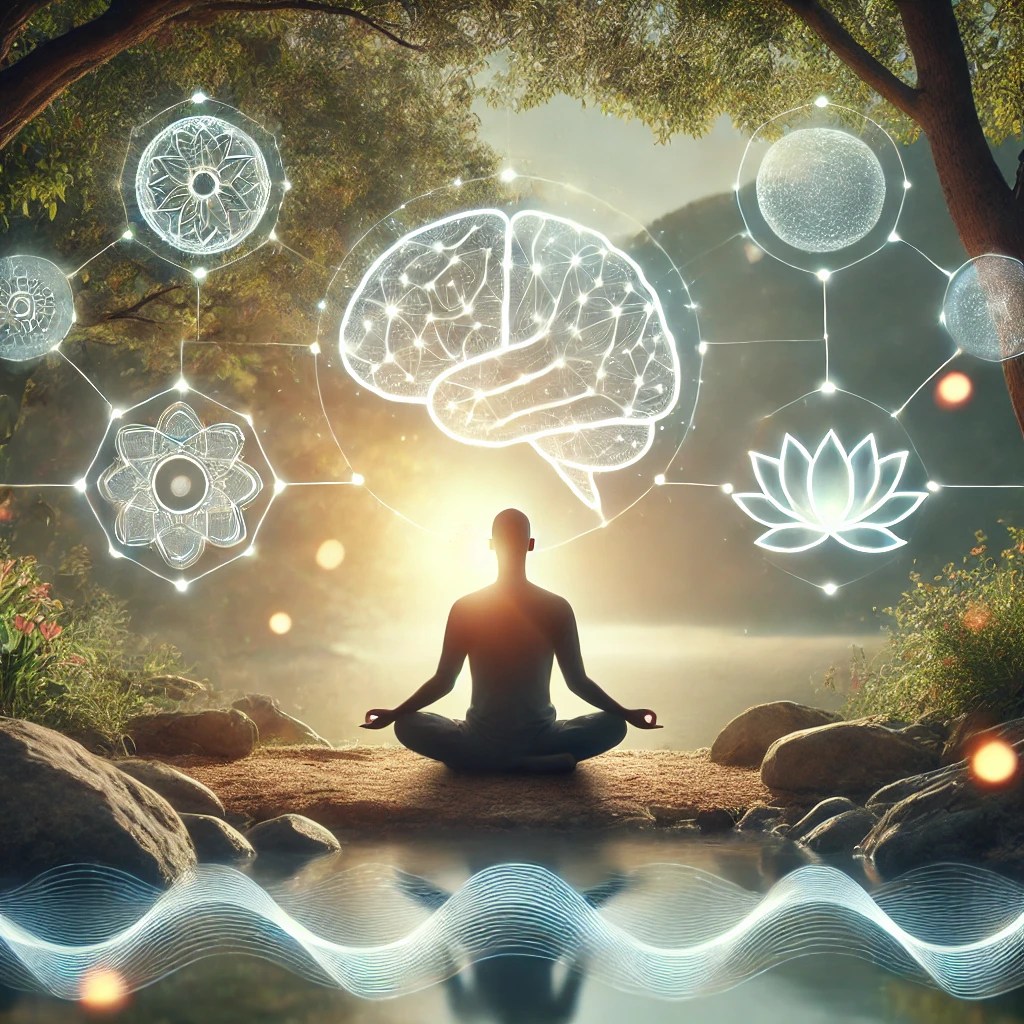
6. Yoga for Mind-Body Connection 🧘♀️🧘♂️
Yoga is a holistic practice that promotes physical, mental, and emotional wellness by combining postures, breathing techniques, and meditation. It’s one of the best ways to foster the mind-body connection while improving flexibility, strength, and balance.
a. Mental and Physical Benefits of Yoga 🌿
Yoga isn’t just a workout for the body; it’s also a powerful tool for mental health. Practicing yoga regularly can:
- Reduce Anxiety and Stress: By encouraging deep, mindful breathing, yoga activates the parasympathetic nervous system, which induces a state of relaxation.
- Improve Mindfulness: Yoga teaches you to be present in the moment, fostering mindfulness and self-awareness.
- Increase Flexibility and Strength: Yoga stretches and strengthens muscles, improving overall physical function and reducing the risk of injury.
b. Types of Yoga for Different Wellness Goals 🧘♀️
There are several types of yoga, each offering unique benefits. Here are a few common styles:
- Hatha Yoga: A slower-paced class that focuses on foundational postures and deep breathing. It’s perfect for beginners and those looking to relax while building flexibility.
- Vinyasa Yoga: Known as “flow” yoga, Vinyasa involves fluid transitions between postures, creating a dynamic and physically challenging experience.
- Restorative Yoga: This gentle form of yoga uses props like blankets and blocks to support your body in various poses, encouraging deep relaxation and stress relief.
- Power Yoga: A more vigorous style, Power Yoga builds strength, stamina, and cardiovascular health by incorporating challenging postures and flows.
c. Simple Yoga Poses to Try at Home 🏡
If you’re new to yoga, start with these beginner-friendly poses:
- Child’s Pose (Balasana): A resting pose that stretches your back and promotes relaxation.
- Downward Dog (Adho Mukha Svanasana): A foundational pose that strengthens the arms and legs while stretching the spine and hamstrings.
- Warrior II (Virabhadrasana II): This powerful standing pose improves balance, strength, and focus.
Yoga is more than just physical exercise—it’s a practice that aligns your mind, body, and breath to create harmony and balance.

7. Self-Care Practices for Mental Wellness 💆♀️💆♂️
Self-care is more than just treating yourself to a spa day—it’s about nurturing your mind and body to maintain long-term wellness. Consistent self-care practices can help reduce burnout, improve emotional well-being, and recharge your energy.
a. Why Self-Care is Essential for Mental Health 🌸
Self-care helps you:
- Recharge Your Mental Energy: Taking time for yourself prevents burnout and mental exhaustion.
- Promote Emotional Resilience: When you regularly check in with yourself and prioritize your needs, you’re better equipped to handle life’s challenges.
- Reduce Anxiety: Regular self-care helps regulate your nervous system, reducing stress and anxiety levels.
b. Simple Self-Care Activities for Daily Life 🧖♀️
- Unplug from Technology: Take breaks from screens and social media to reconnect with yourself. Use this time for meditation, journaling, or spending time in nature.
- Practice Gratitude: Keep a gratitude journal where you write down three things you’re thankful for each day. This simple practice helps shift your mindset toward positivity.
- Take a Relaxing Bath: Use Epsom salts, essential oils, and candles to create a spa-like experience at home. This helps relax your muscles and soothe your mind.
- Create a Sleep Ritual: Prioritize sleep by establishing a calming bedtime routine. This could include reading a book, meditating, or practicing gentle stretches to prepare your body and mind for rest.
Self-care isn’t selfish; it’s a necessary practice for maintaining emotional and mental wellness.

8. Nutrition for Mental Clarity and Energy 🍎🥑
What you eat affects not just your physical health but also your mental well-being. The foods you consume have a direct impact on your brain function, mood, and energy levels. In this section, we’ll explore the best foods to support mental clarity and sustained energy throughout the day.
a. Brain-Boosting Foods for Focus and Clarity 🥦
- Leafy Greens: Vegetables like spinach, kale, and Swiss chard are rich in folate, which supports brain function and emotional stability.
- Fatty Fish: Salmon, mackerel, and sardines are packed with Omega-3 fatty acids, which improve memory and cognitive performance.
- Berries: Blueberries, strawberries, and blackberries are high in antioxidants that protect brain cells and enhance focus.
- Nuts and Seeds: Almonds, walnuts, and flaxseeds are loaded with healthy fats and vitamin E, which have been shown to slow cognitive decline.
b. Foods to Boost Energy Levels ⚡
- Complex Carbohydrates: Foods like oatmeal, sweet potatoes, and brown rice provide slow-releasing energy, preventing the mid-day crash that often comes with simple carbs.
- Protein: Lean proteins such as chicken, tofu, and lentils help sustain energy levels and keep you full longer.
- Water: Hydration is crucial for mental clarity. Even mild dehydration can lead to fatigue, lack of focus, and irritability.
- Dark Chocolate: Rich in antioxidants and a small amount of caffeine, dark chocolate is a great snack for a quick energy boost and improved focus.
c. Meal Ideas for Mental Wellness 🍽️
Breakfast: Oatmeal topped with berries and walnuts. Lunch: Grilled salmon with quinoa and a spinach salad. Dinner: Chicken stir-fry with broccoli, peppers, and brown rice. Snack: A handful of almonds and a piece of dark chocolate.
By prioritizing a nutrient-dense diet, you’ll not only support your physical health but also improve your mental clarity and overall mood.

9. The Role of Sleep in Mind-Body Wellness 😴
Sleep is one of the most important aspects of overall wellness. Without enough high-quality rest, your body and mind cannot function at their best. Sleep impacts everything from your mood and cognitive function to your physical energy and immune system.
a. Why Sleep is Essential for Wellness 🌙
1. Physical Recovery: During deep sleep, your body repairs and regenerates tissues, builds muscle, and strengthens the immune system.
2. Mental Clarity: Sleep is crucial for brain function. It helps consolidate memories, enhances creativity, and improves problem-solving skills.
3. Emotional Balance: Lack of sleep is linked to increased levels of stress and anxiety. People who get enough rest are more emotionally resilient and better equipped to handle life’s challenges.
b. Tips for Improving Sleep Quality 💤
- Create a Sleep Routine: Go to bed and wake up at the same time each day, even on weekends, to regulate your body’s internal clock.
- Limit Caffeine and Alcohol: Both caffeine and alcohol can interfere with the quality of your sleep. Try to avoid them in the late afternoon and evening.
- Create a Relaxing Environment: Make sure your bedroom is dark, quiet, and cool. Consider using blackout curtains, earplugs, or white noise machines if necessary.
- Avoid Screens Before Bed: The blue light emitted by phones, tablets, and computers can interfere with your sleep. Aim to put screens away at least an hour before bedtime.
By prioritizing sleep and creating a consistent routine, you’ll improve your mental and physical well-being, leading to greater energy, focus, and emotional stability.

10. Managing Digital Overload and Mental Fatigue 📱🧠
In today’s world, we are constantly bombarded with information from emails, social media, and news updates. This digital overload can lead to mental fatigue, making it difficult to focus and stay productive.
a. The Impact of Digital Overload 🌐
1. Mental Fatigue: Constant exposure to information without breaks leads to cognitive overload, reducing your brain’s ability to process and retain information.
2. Anxiety and Stress: The constant need to check emails or social media notifications can lead to increased stress and anxiety, as we feel overwhelmed by the amount of information we’re consuming.
3. Reduced Attention Span: Studies have shown that multitasking between digital devices lowers our ability to concentrate and reduces our attention span.
b. Tips to Manage Digital Overload 🖥️
- Digital Detox Days: Dedicate one day a week to unplugging from all screens. Use this time to read, meditate, or spend time in nature.
- Time Blocking: Set specific times during the day to check emails and social media, rather than being available 24/7. This helps you focus on tasks without distractions.
- Mindful Technology Use: Be intentional about your screen time. When using your phone or computer, ask yourself whether it’s serving a purpose or just mindless scrolling.
By being mindful of your digital consumption, you can prevent burnout, improve your focus, and maintain mental clarity in a digital age.

11. Finding Balance in a Busy World ⚖️🌍
With work, family, social commitments, and personal goals pulling you in different directions, it can be challenging to find balance in daily life. However, balance is key to maintaining long-term mind-body wellness.
a. The Importance of Work-Life Balance 🧘♀️
1. Preventing Burnout: Constantly working without adequate time for rest and relaxation can lead to burnout, which negatively affects both mental and physical health.
2. Improving Relationships: When you achieve a balance between work and personal life, you’ll have more time and energy to invest in meaningful relationships with family and friends.
3. Boosting Productivity: Striking the right balance helps prevent mental exhaustion, allowing you to be more productive and focused when it’s time to work.
b. Practical Tips for Creating Balance 🛠️
- Set Clear Boundaries: Establish work hours and stick to them. Avoid bringing work tasks into your personal time, and don’t be afraid to say no when you need a break.
- Prioritize Self-Care: Self-care isn’t a luxury; it’s a necessity. Schedule time for activities that recharge you, whether it’s exercise, reading, or simply relaxing.
- Practice Time Management: Use tools like time blocking or to-do lists to ensure that you’re making time for both work and personal life. Prioritize your tasks so that you focus on what’s most important.
Finding balance takes time, but once you create boundaries and prioritize self-care, you’ll feel more grounded, centered, and capable of managing life’s demands.

12. Movement for Energy and Vitality 💪⚡
Movement is essential not only for physical fitness but also for maintaining high energy levels and overall vitality. Incorporating regular movement into your day boosts circulation, increases oxygen flow to the brain, and releases tension from your body.
a. The Benefits of Daily Movement 🌿
1. Increased Energy: Movement increases blood flow and oxygen levels in your body, providing a natural energy boost.
2. Enhanced Mood: Physical activity triggers the release of endorphins, making you feel happier and more relaxed.
3. Reduced Tension: Sitting for long periods can lead to tension and stiffness. Regular movement helps relieve physical tightness and improves posture.
b. Simple Ways to Move Throughout the Day 🏃♀️
- Stretch Breaks: Take a 5-minute stretch break every hour to improve circulation and reduce muscle stiffness.
- Walk More: Try to incorporate more walking into your day by taking the stairs, parking further away, or going for a 10-minute walk after meals.
- Desk Exercises: If you have a sedentary job, try desk-friendly exercises like seated leg lifts, arm circles, or standing squats to stay active throughout the day.
Movement doesn’t have to be limited to your workout. By finding small opportunities to move, you’ll feel more energized and alert, leading to improved focus and overall vitality.
13. The Role of Nature in Mental Health 🌳🌿
Spending time in nature has numerous benefits for both mental and physical health. Research has shown that being outdoors, especially in green spaces, reduces stress, improves mood, and boosts creativity.
a. How Nature Improves Mental Health 🏞️
- Reduces Stress: Being in nature helps lower cortisol levels, reducing stress and promoting relaxation.
- Enhances Creativity: Nature provides a mental break from everyday tasks, allowing your mind to reset and improving creative thinking.
- Improves Mood: Exposure to sunlight boosts serotonin levels, the “feel-good” hormone that enhances mood and promotes feelings of happiness.
b. Simple Ways to Connect with Nature 🌿
- Go for a Walk in the Park: Take a short walk in your local park to enjoy the calming effects of trees and greenery.
- Practice Outdoor Yoga or Meditation: Find a quiet outdoor space where you can practice yoga or meditate, allowing you to connect with nature while nurturing your mind and body.
- Gardening: Tending to plants can be a form of active mindfulness. Gardening has been shown to reduce stress, improve mood, and provide a sense of accomplishment.
Spending time in nature doesn’t require a grand excursion—small, consistent exposure to natural elements can have a profound impact on your mental well-being.
14. The Impact of Social Connections on Wellness 🤝💬
Strong social connections are crucial for maintaining mental and emotional well-being. Humans are inherently social creatures, and having a supportive network of friends and family plays a major role in reducing stress and increasing happiness.
a. How Social Connections Benefit Mental Health 🌸
1. Emotional Support: Having people to turn to during difficult times provides emotional support, which helps you navigate life’s challenges with resilience.
2. Improved Longevity: Studies show that people with strong social connections live longer and are less likely to suffer from chronic diseases.
3. Reduced Stress and Anxiety: Social interactions stimulate the release of oxytocin, a hormone that reduces stress and promotes feelings of trust and security.
b. Strengthening Your Social Connections 👥
- Nurture Existing Relationships: Spend quality time with family and friends, even if it’s just a phone call or video chat. Make an effort to stay connected, even during busy times.
- Join a Community Group: Whether it’s a fitness class, book club, or volunteer group, joining a community fosters a sense of belonging and creates new opportunities for social interaction.
- Practice Active Listening: When interacting with others, practice being fully present. This strengthens relationships and helps you build deeper connections.
By prioritizing social connections, you’ll improve your emotional health and create a supportive network that enhances your overall well-being.

15. FAQs About Mind & Body Wellness ❓
a. How does mindfulness affect physical health?
Mindfulness reduces stress, which has been linked to numerous physical health issues like high blood pressure, weakened immunity, and inflammation. By practicing mindfulness, you improve both mental and physical well-being.
b. Can yoga help with mental health?
Yes! Yoga is one of the best practices for mind-body wellness, as it combines physical postures, controlled breathing, and meditation, which together reduce stress, anxiety, and depression while improving physical health.
c. How much exercise should I do for mental wellness?
Aim for at least 150 minutes of moderate aerobic activity or 75 minutes of vigorous activity per week, combined with strength training. However, even small amounts of exercise, like daily walks or stretching, can significantly improve mental health.
d. How can I incorporate mindfulness into my busy day?
Start with just 5 minutes a day. Practice mindfulness while doing daily tasks like brushing your teeth, eating, or commuting. Over time, you can build longer mindfulness sessions into your routine.
e. What foods improve mental clarity?
Foods rich in Omega-3s (like salmon and flaxseeds), antioxidants (like berries), and healthy fats (like avocados and nuts) can enhance cognitive function and promote mental clarity.
f. How can I manage stress at work?
Take regular breaks to stretch or practice deep breathing, use time management techniques to prioritize tasks, and create boundaries between work and personal time to reduce stress.
Conclusion: Embrace Mind & Body Wellness for a Balanced Life 🌿
Mind-body wellness isn’t just about physical fitness or mental health—it’s about nurturing all aspects of your well-being to live a more balanced and fulfilling life. By integrating mindfulness, exercise, proper nutrition, and self-care practices, you can create a sustainable routine that supports both your mental clarity and physical vitality.
Start with small changes, like adding mindfulness techniques or movement breaks to your day, and gradually build a lifestyle that promotes long-term wellness. Remember, the journey to a healthy mind and body is ongoing, and every step you take brings you closer to a life of balance and energy.

